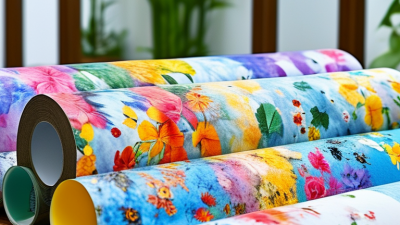
So, if you're diving into a project with UV DTF Film, picking the right type really matters. I mean, as industry expert Mark Johnson from PrintMaster Solutions puts it, "The quality of your Film Dtf can really make or break your project." Pretty spot on, right? That just shows how crucial it is to choose the right materials from the get-go.
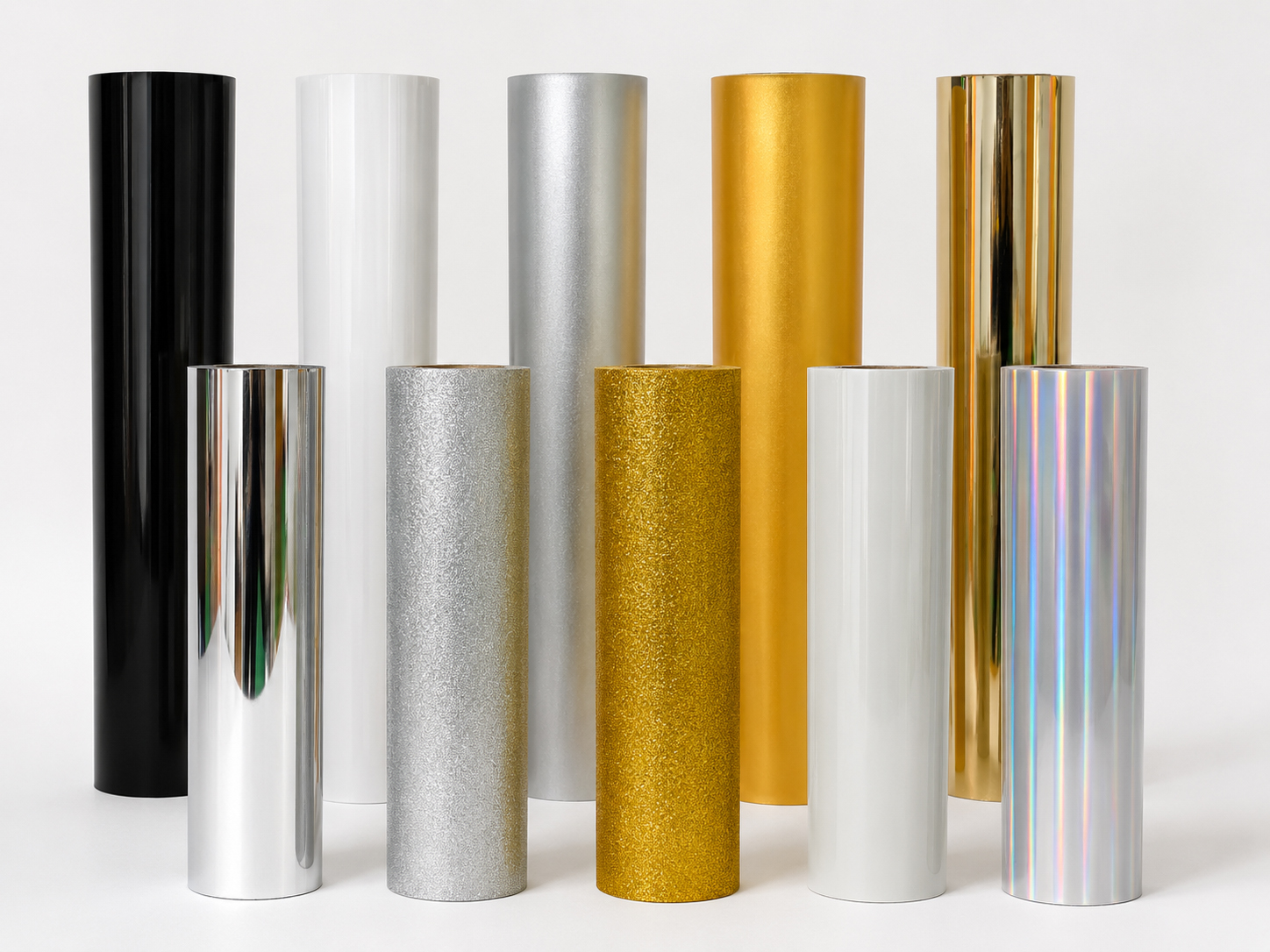
Getting a handle on the different kinds of UV DTF Film out there is key. Things like thickness, how strong the adhesive is, and the finish can totally change how your final product turns out. Good quality films give you those vibrant colors and hold up well over time, while cheaper options might leave you disappointed. Taking the time to evaluate these factors early on can save you a lot of headaches—and probably some cash too.
And honestly, looking back on past experiences helps a lot. Lots of folks have run into trouble when they picked the wrong Film Dtf, and it’s a good reminder to be careful. Talking with experts and checking out samples can give you a much clearer idea of what’s best for your project. In the end, making the right choice will really help your work stand out and show off your skills in the best way possible.
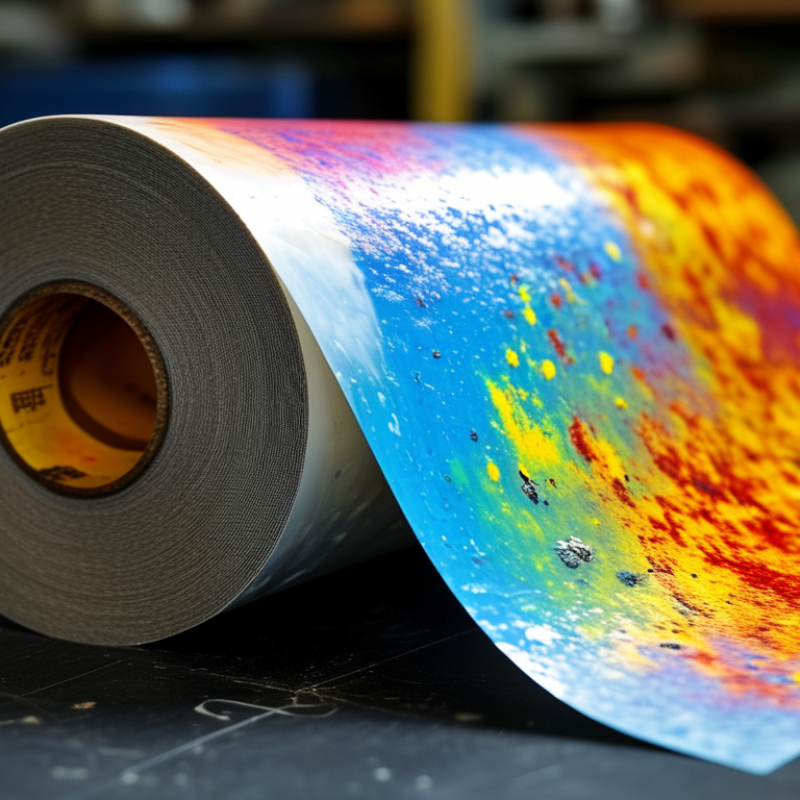
Understanding UV DTF Film and Its Applications
Understanding UV Dtf Film and Its Applications
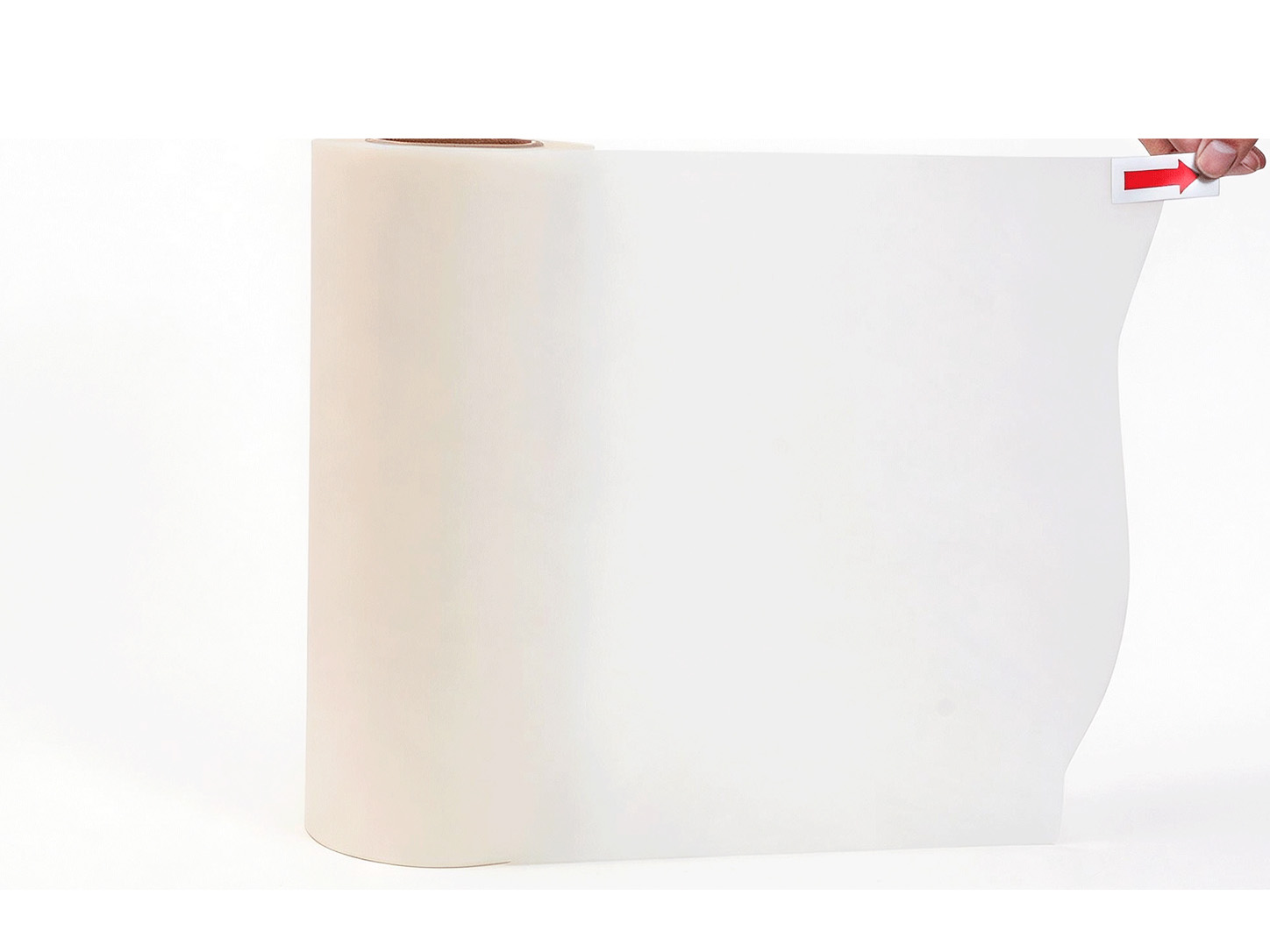
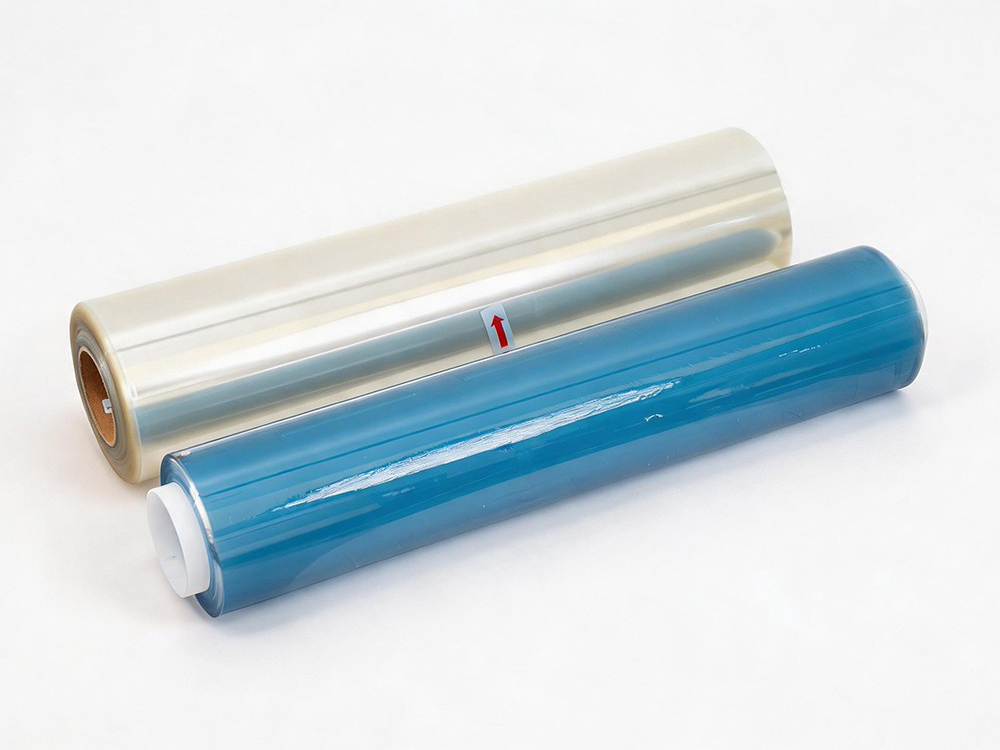
UV DTF film is a specialized printing material that offers robust applications in various industries. It is designed to work with UV printers, providing vibrant color reproduction and durability. Many people overlook the versatility of DTF film beyond standard applications. It can be used on a variety of surfaces, including rigid materials and textiles, which expands creative possibilities.
When selecting the right DTF film, consider the surface you plan to print on. Some films work better on rigid surfaces, while others are optimized for fabrics. Researching the right type for your project can save time and reduce waste. Conduct small test prints to gauge adhesion and color fidelity. This practice helps ensure your final product meets your expectations.
Investing in high-quality DTF film can yield better results. However, not every expensive option guarantees satisfaction. Sometimes, experimenting with different brands leads to surprisingly good outcomes. Pay attention to the details, such as film thickness and coating type. These factors can significantly impact the final print's quality. Keep records of your findings to refine your future choices. Exploring the potential of UV DTF film can unlock new creative avenues, but it is essential to approach each project with an open mind and a willingness to learn.
Key Features to Consider When Selecting UV DTF Film
When selecting UV DTF (Direct to Film) film, several key features can significantly influence project outcomes. First, it's essential to focus on adhesion properties. A film that adheres well to diverse substrates ensures longer-lasting prints. Industry reports indicate that prints using high-quality adhesion films can last up to 50% longer under harsh conditions compared to lower-quality options.
Another crucial factor is the film's opacity. Films with higher opacity levels prevent substrate colors from showing through, which is vital for maintaining design integrity. According to a recent survey by the Printing Industries of America, 70% of professionals recommended selecting films with at least 95% opacity for vibrant colors and overall quality. A clear understanding of how opacity affects color vibrancy can help in making more informed decisions.
Durability also plays a significant role. Films that withstand scratches, UV exposure, and chemicals contribute to the longevity of the printed designs. Reports suggest that consumers are increasingly demanding durable prints, leading to a 40% rise in preference for such films. However, while focusing on durability, one must also consider the trade-off between flexibility and toughness. Finding a balance is key, and testing different films can lead to discovering unexpected performance attributes.
Evaluating Compatibility with Your Printing Equipment
When selecting Dtf Film A3 for your projects, compatibility with your printing equipment is crucial. Different printers have unique specifications and behaviors. For instance, some printers require specific ink types to achieve the best results. Before making a purchase, consult your printer's manual. It's important to understand what film is compatible with the inks used. Testing a small sample can help identify any issues.
Careful evaluation of your equipment parameters is essential. Some films may not adhere well to certain substrates. This can lead to poor image quality or fading. Make note of your printer's temperature settings and speed. These factors affect the final output. Ensure that the Dtf Film A3 can withstand the same conditions. Research user experiences to learn about potential problems others have faced.
Don't forget about the print resolution. Some films excel in high-definition prints, while others may not. Misalignment can also occur if the dimensions are incorrect. Take time to measure your setup accurately. When in doubt, reaching out to printing professionals can provide valuable insights. Their experience can guide you towards making informed choices.
Assessing Durability and Quality of UV DTF Film
When choosing UV DTF film, assessing durability and quality is crucial. Durable films withstand wear and tear, ensuring your project lasts. Look for films that resist scratching and fading. This quality is evident in samples, where the color integrity should remain unchanged after exposure.
Consider the environment where the film will be used. Some films perform well indoors but may struggle outdoors. Outdoor applications require films that can endure UV exposure and varying weather conditions. This ensures that your designs maintain their brilliance even under harsh conditions.
Pay attention to thickness. Thicker films may offer better durability but can be more challenging to work with. Experimenting with different thicknesses can yield surprising results. Proper testing is essential. Ensure you test the film on the intended substrate. This can reveal compatibility issues that might arise later.
Cost Considerations and Budgeting for UV DTF Projects
When budgeting for UV DTF projects, it's essential to consider various cost factors. The price of Dtf Uv Film can vary significantly based on quality and availability. Lower-cost films may seem appealing at first. However, they could lead to higher expenses later due to poor adhesion or color vibrancy issues.
Additional costs often arise from equipment and maintenance. Investing in a high-quality printer can reduce long-term costs. Regular maintenance helps avoid unexpected repairs. It’s vital to create a detailed budget that accounts for all potential expenses. This way, you can avoid falling into the trap of overspending.
Lastly, don’t overlook the value of experience in your budgeting process. It’s tempting to go for cheaper options, yet success often comes from investing in reliable materials. Reflecting on past projects can help you choose the right Dtf Uv Film. Balancing cost with quality will ultimately lead to more successful and visually appealing results.
Comparative Analysis of Popular UV DTF Film Brands
When selecting the right UV DTF film, understanding the strengths and weaknesses of various brands is vital. A recent industry report indicates that nearly 70% of users prefer films that demonstrate high clarity and vibrant color rendition. The choice of a UV DTF film significantly impacts quality in printing, especially in detailed designs. Some brands excel in durability but may compromise on flexibility. This trade-off is crucial for projects needing diverse applications.
Regarding market preferences, analysis shows two leading brands dominate in terms of user satisfaction, both achieving scores over 80 in customer reviews. The feedback highlights aspects such as adhesive quality and print longevity. However, these films may present inconsistent performance under different environmental conditions, an area that requires further consideration from users. The findings emphasize the need for practical trials before finalizing a choice, as even top-rated films can fail under specific circumstances.
Practicality is another critical aspect in selecting UV DTF films. Users often report challenges with specific surface materials, affecting adhesion and print quality. In various scenarios, mismatches between film compatibility and substrate can lead to suboptimal results, necessitating careful examination of product specifications. This insight underscores the importance of not only relying on third-party analyses but also conducting hands-on evaluations tailored to individual project needs.
How to Choose the Right UV DTF Film for Your Projects? - Comparative Analysis of Popular UV DTF Film Brands
| Film Type |
Thickness (microns) |
Adhesive Type |
Print Resolution (dpi) |
Durability |
Price (per square meter) |
| Standard UV DTF Film |
120 |
Permanent |
1200 |
Medium |
$5.00 |
| Premium UV DTF Film |
150 |
Removable |
1440 |
High |
$7.50 |
| Eco-Friendly UV DTF Film |
100 |
Permanent |
1200 |
Medium |
$6.00 |
| Ultra Durable UV DTF Film |
180 |
Permanent |
1200 |
Very High |
$8.50 |
| Quick-Dry UV DTF Film |
130 |
Removable |
1440 |
Medium |
$6.50 |
Tips for Effective Use and Handling of UV DTF Film
When using UV DTF film, handling and application are crucial for achieving the best results. Maintain a clean workspace to avoid contamination. Dust or dirt can interfere with adhesion and print quality. Use gloves when handling Dtf Film A4 to prevent oils from your fingers affecting the surface. Ensure that you print in a well-ventilated area to help with ink drying.
Choose the right settings for your printer. Different films need different temperatures and pressure settings. Experiment with a few test prints to find the best match. This can take time and adjustment, but it's essential for high-quality results. Monitor the drying time closely. If not allowed to dry properly, the ink may smudge or transfer.
Lastly, store your Dtf Film A4 properly. Keep it in a cool, dark place to prevent degradation. Improper storage can lead to wasted materials or inconsistent performance during printing. Reflect on your past projects and learn from mistakes. Each experience can inform better practices in future applications.
Exploring the Benefits of China DTF Glue: Black Hot-Melt Adhesive for Durable Dark Fabric Printing Solutions
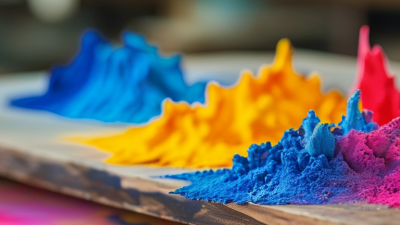
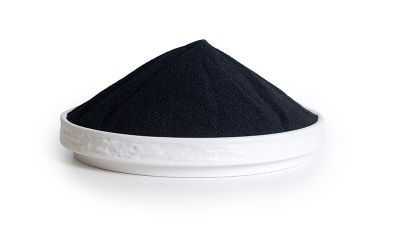
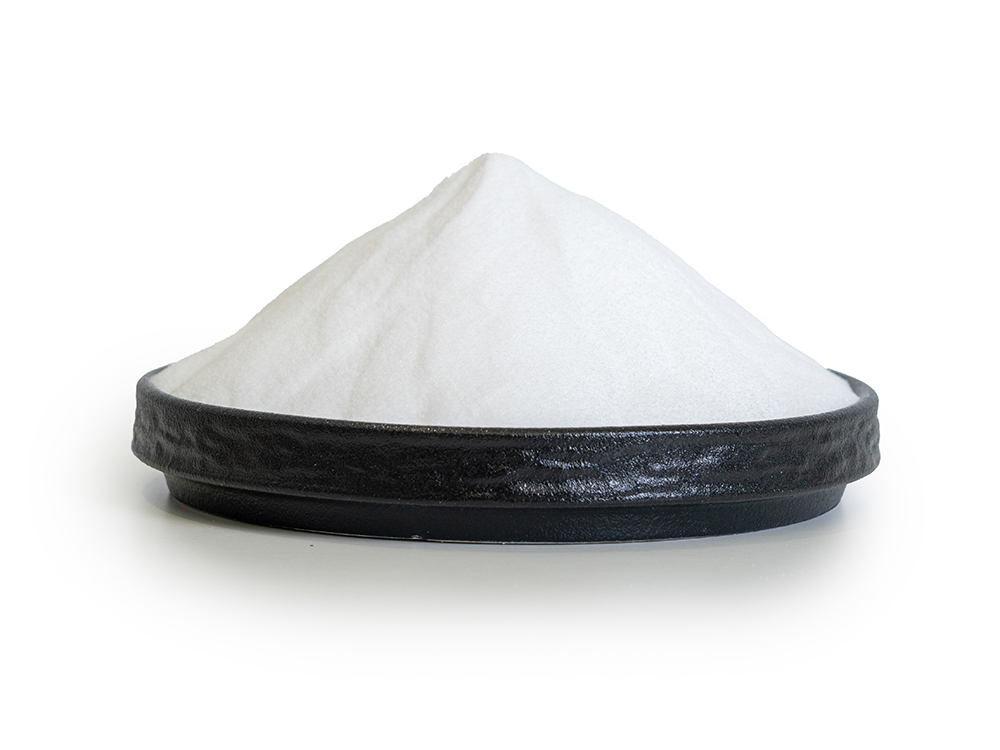
In the world of fabric printing, the rise of DTF (Direct to Film) technology has revolutionized the industry, particularly when it comes to dark fabrics. One of the standout products crucial to this transformation is the Black DTF Hot-Melt Adhesive Powder. This advanced adhesive has been specifically engineered to meet the unique challenges posed by printing on dark materials, ensuring exceptional bonding strength and visual clarity. According to industry reports, the demand for durable printing solutions has surged by 25% over the past year, underscoring the necessity of effective adhesives in meeting consumer expectations.
Utilizing high-quality black hot-melt adhesive not only enhances the depth and coverage of transferred designs but also promotes smoother melting capabilities that are essential for achieving crisp and vibrant images. Data shows that fabrics treated with superior hot-melt adhesives withstand washing and wear significantly better, with a notable reduction in fading and peeling. This durability is particularly important as brands seek to maintain product quality in the face of rigorous washing cycles, making the choice of adhesive a vital factor in the overall success of printed garments.
For suppliers aiming to elevate their printing projects, the Black DTF Hot-Melt Adhesive Powder stands out as an ideal solution. Its combination of reliable performance, excellent adhesion properties, and impressive visual outcomes aligns perfectly with the growing industry trend toward high-quality, long-lasting printed products. As manufacturers continue to innovate, the role of specialized adhesives like these will remain central in shaping the future of fabric printing.
FAQS
: UV DTF film is a specialized printing material for UV printers. It provides vibrant color and durability.
UV DTF film can be applied to rigid materials and textiles. This increases creative possibilities for various projects.
Consider the surface you’re printing on. Some films are better for fabrics, while others work on rigid materials.
Conduct small test prints to check adhesion and color fidelity. This helps ensure satisfaction with the final product.
Not necessarily. Sometimes, experimenting with different options yields surprising outcomes, even with lower-priced films.
Clean environments prevent contamination. Dust can affect print quality, so maintain cleanliness during handling.
Use gloves to avoid oils on the surface. Choose appropriate printer settings for temperature and pressure.
Monitor drying time closely. If the ink doesn’t dry properly, it may smudge or transfer during handling.
Store it in a cool, dark place. Proper storage is crucial to prevent degradation and inconsistent performance.
Reflecting on previous experiences can help identify mistakes and inform better practices for future applications.
Conclusion
When selecting the right UV DTF film for your projects, it’s essential to first understand its characteristics and applications. UV DTF film is known for its versatility and can be utilized across various materials, making it suitable for different printing needs. Key features to consider include thickness, adhesive quality, and surface finish, which can significantly impact the final output.
Additionally, ensuring compatibility with your printing equipment is critical, as not all printers may support UV DTF film. Assessing the durability and quality of the film is equally important, as it affects the longevity of the prints. Budget considerations also play a role, as pricing may vary significantly. Lastly, effective tips for handling and using UV DTF film can enhance your overall printing experience, ensuring high-quality results for your projects.
 DTF FILM TEXTILE
 UV DTF FILM
 TPU UV DTF FILM
 TPU DTF POWDER
 Application
 Resources