Leave Your Message

Blog

What Is the Best UV Transfer Film Supplier in China?

What Is the Best UV Transfer Film Supplier in China?

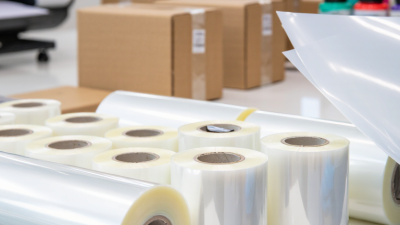
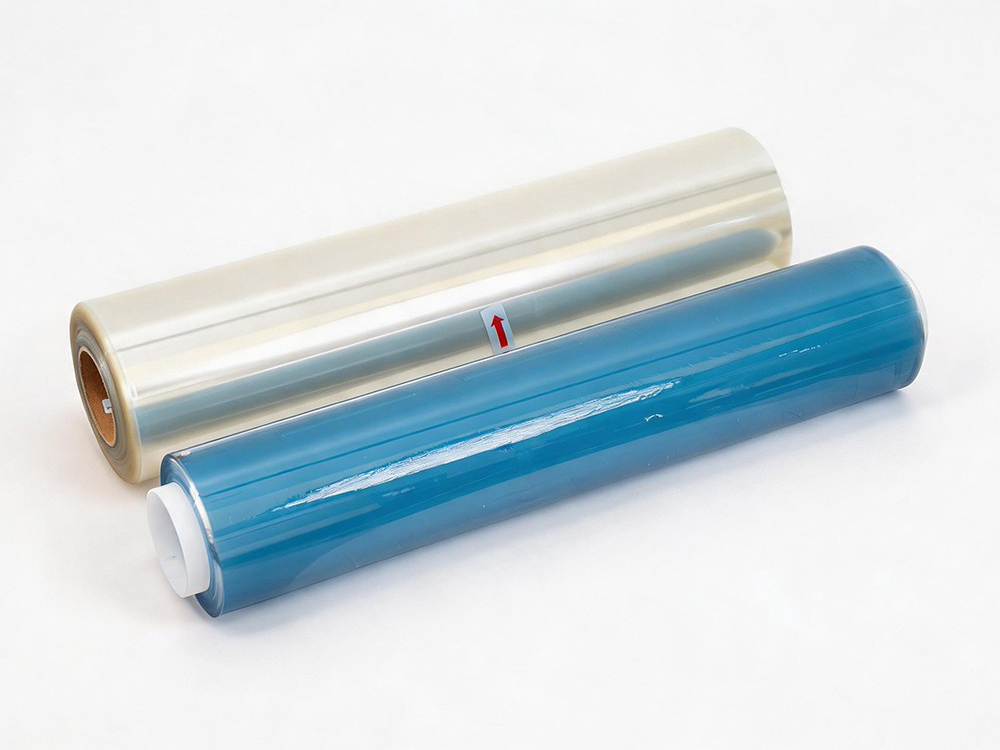
Picking the right UV transfer film supplier in China? Honestly, it shouldn't start with how slick their product photos look. It has to start with what you're actually running on your line. You need film that works with your printer, your inks, your curing rig, and the surfaces you're printing on. And here's the thing—small differences can trip you up. That perfect flat sample? It might not behave the same on a curved bottle or a textured panel. So yeah, keep that in mind. So here's the thing about finding a reliable supplier—they should be able to explain their film specs in plain English, send you fresh samples, and actually answer those practical questions you have about storage, application temperature, and peeling. Don't just take their word for it, though. Test those samples on the exact materials you're using. Look at edge definition, color consistency, how well it adheres, and whether it holds up to handling. And yeah, ask about batch controls and lead times while you're at it. Honestly, these little details are what separate a real manufacturer from some reseller who can't give you solid technical support. Some folks end up comparing UV Transfer Film with 3d Transfer Film, but honestly, the names alone don't really tell you much about performance or whether they'll work with your process. So don't just go by that. Ask for written specs and trial results, and keep records of what you get. It makes a difference. Honestly, there’s no single “best” supplier that works for everyone. You might find one vendor who gives you a great price, but then their sample results are all over the place. Another one? Super responsive and easy to talk to, yet they miss shipping deadlines. I wouldn’t write either of them off based on one conversation. Instead, put a few candidates through the same tests, and run your own production trials to see if their claims actually hold up. In the end, the right partner is someone who’s consistent, upfront about their limitations, and actually supports you after the first order lands. But even then, you should still double-check the next batch — production isn't always consistent, you know?
Read more »
Sophia By:Sophia - November 7, 2026
2026 Best UV DTF Film for Wholesale Buyers?

2026 Best UV DTF Film for Wholesale Buyers?

So, when you're picking out UV DTF film for wholesale, it's really not about the fancy marketing stuff. What matters is whether it works the same every time. You know, a nice smooth surface means the transfers come off easily, but if the coating is all over the place, you'll end up with wasted sheets and a lot of extra hassle. The little things count. For anyone buying in bulk, you'd want to check things like the film thickness, how wide the roll is, if the coating is consistent, what they say about storage, and whether it's compatible with your printer, ink, and adhesive system. You know, actually running a quick sample can really bring to light things that a spec sheet just won't tell you. So, if you're shopping wholesale in 2026, what should you actually be comparing? It's more than just the price tag—think clear product data, how responsive the supplier is, and the hands-on quality checks. And before you commit to a big order, make sure you ask for the latest tech specs and test the Film Dtf in your own production setup. A little extra homework now can save you a headache later. You’ll want to keep an eye on a few things: do colors stay consistent across sheets, does the film feed smoothly, and does transfer performance hold up after being stored? Honestly, results can vary depending on your equipment and working conditions — that’s just reality. And look, a supplier can be super confident, which is great, but confidence isn’t the same as actual proof. Worth saying out loud, I think. Price obviously matters, but the cheapest quote isn't always the best deal if defects end up stalling your production. You should also look at minimum order quantities, packaging, lead times, and how the supplier responds when quality issues come up. Keep notes from every trial—record the settings and any defects you see. And remember, careful testing only gets you so far: one good sample doesn't mean every future batch will be flawless. In the end, you're after a solid purchasing decision, not a perfect promise.
Read more »
Olivia By:Olivia - November 4, 2026
China Best DTF Transfer Sheets for Wholesale Buyers?

China Best DTF Transfer Sheets for Wholesale Buyers?

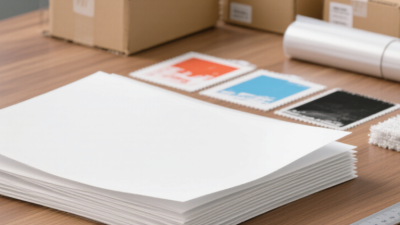
If you're a wholesale buyer on the hunt for China's best DTF transfer sheets, it's easy to get fixated on the unit price. But here's the thing: you really need more than a cheap price. You need consistent color, film that releases dependably, and sheets that show up flat and clean. That bright red on your screen? It doesn't mean a whole lot if it comes out dull on cotton. So do a few small production tests first. Seriously, it matters. It's worth looking at the bigger market picture here. Grand View Research pegged the global digital textile printing market at around $2.7 billion in 2022, with a projected compound annual growth rate of 12.1% from 2023 to 2030. Now, that number covers digital textile printing as a whole—not just DTF. But even so, it's a pretty clear signal that demand for flexible print production is on the rise. And for buyers, that growth cuts both ways: more suppliers, sure, but also a lot more claims to sort through. So here's the thing—when you're doing a real comparison, you've got to look beyond just the basics. I mean, sheet size, coating consistency, whether their ink and powder actually work with what you've got, packaging, and their quality control processes all matter. Don't just ask for samples either; ask for recent ones, get the full technical specs, and have them walk you through how they do batch checks. Then, and this is important, test those sheets on your own fabrics and equipment. A sample can look absolutely perfect under showroom lights, but in real production? It might be a completely different story. And honestly, no single supplier is going to be the best for every order—even the good ones can have uneven batches sometimes. Honestly, this is one of those things that doesn't get enough attention. If you're a wholesale buyer, this guide walks you through what to look for when checking out Chinese manufacturers, how to compare offers, and—maybe most importantly—how to steer clear of avoidable surprises before you commit to a bigger order.
Read more »
Evelyn By:Evelyn - November 1, 2026
Why Choose 100um Double Sided Matte DTF Film?

Why Choose 100um Double Sided Matte DTF Film?

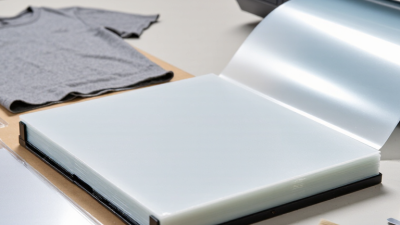
Choosing the right transfer film isn't just a technical detail—it can really affect print consistency, how easy the material is to handle, and the final look of the garment. The 100um Double Sided Matte Dtf Film gives you a particular combo of thickness and a matte finish on both sides. That surface, honestly, makes the sheets much easier to tell apart and work with, especially under bright workshop lights. That 100-micron thickness really gives the film a more substantial feel compared to the thinner options—though honestly, the right choice depends on your printer and how you like to work. And yeah, details matter. So here’s the thing—this guide is all about how Double Sided Matte DTF Film actually holds up in real use. We’re talking printing, powder, curing, transfer—the whole process. You’ll also want to check the basics: does it feed through smoothly, does it hold ink consistently, and does it peel off cleanly with your settings? Honestly, results can be all over the place depending on your printer, ink, adhesive powder, temps, and how careful you are with technique. Just because it’s matte doesn’t mean colors will pop or peeling will be easier. Every setup’s got its own quirks. If you want to judge things fairly, run a small test batch before you go messing with the full production run. After pressing and washing, take a close look at the fine text, solid color areas, and edges. Jot down your settings—even a few quick notes can reveal patterns you’d otherwise miss. One thing to keep in mind though: a thicker film can feel less flexible when you’re handling it, depending on your equipment. It’s not a deal-breaker, but it definitely deserves a test. So, here's the thing: the next few sections will help you compare these features against what you'll actually need in production—not just what looks good on a spec sheet.
Read more »
Olivia By:Olivia - October 29, 2026
What Are the 2026 Top UV Transfer Sticker Types?

What Are the 2026 Top UV Transfer Sticker Types?

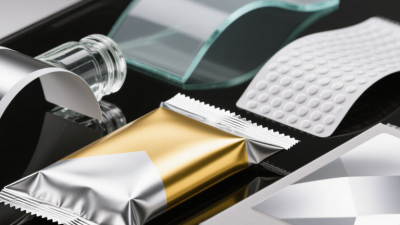
So here's the thing – as we roll into 2026, brands are really pushing for sharper product details, and UV Transfer Sticker tech is stepping up its game. It's not just about slapping a logo on anymore. These stickers are like a combo of printed colors, adhesive layers, and these UV-cured textures that give them a bit of a 3D feel. You know what it looks like? Kind of like a tiny embossed badge you'd see on glass, metal, or even plastic packaging. And the best part? Some of them are completely smooth to the touch. Then again, some others have this raised, almost bumpy texture that kind of catches the light differently depending on how you look at it — pretty cool, right? So, the standout sticker styles this year are pretty interesting – you've got clear raised stickers, metallic foil ones, textured 3D designs, and high-gloss spot effects. Clear ones are perfect for those see-through bottles and clean, minimalist packaging. Metallic finishes really elevate premium products, especially if you swap out big printed areas for silver or gold details – it gives it that sleek look. Textured options are great for logos, letters, or even just small decorative touches. And high-gloss? That works wonders when you want to add a pop of contrast on matte surfaces. You know, at the end of the day, it really depends on what substrate you're using, the curve, the temperature, and all those handling conditions. Honestly, I can't stress enough how much practical experience plays into this – you just get a feel for it over time. So here's the thing—any supplier worth their salt should be willing to show you physical samples, adhesion test results, and how the curing actually works. Sure, big names like Avery Dennison and 3M are great for learning about materials and adhesives, but keep in mind their stuff isn't exactly the same as specialized UV transfer systems. As a buyer, you really want to look for edge lifting, color consistency, scratch resistance, and how long application takes. And here's a little reality check: a sample can look absolutely gorgeous and still totally fail on a dusty bottle. That one weakness? It's worth paying attention to. Honestly, there isn’t one perfect UV transfer sticker that works for everything. Some finishes look great at first, but the moment you touch them they’re instantly smudged with fingerprints. Others have adhesives that seem fine indoors, but you really need to test them in heat or moisture before trusting them. So, we put together this comparison of the top options for 2026, looking at things like appearance, durability, how easy they are to apply, and whether they’re actually worth the money. The findings are based on solid evidence, sure, but at the end of the day, nothing beats trying them out in the real world. That’s where the real answers come from.
Read more »
Evelyn By:Evelyn - October 26, 2026
2026 Best Heat Press Laser Printer for Business?

2026 Best Heat Press Laser Printer for Business?

When you're choosing the 2026 best Heat Press Laser Printer for your business, it's not just about finding the brightest color output, right? If you're a serious buyer, you've gotta look at stuff like toner adhesion, transfer-paper compatibility, maintenance costs, print speed, and how much you're actually producing day to day. You know how a printer can look great in a quick five-minute test? Well, after a few hundred shirts, it might start to struggle. And honestly, that difference? It really matters. You know, Josh Ellsworth—who's a well-respected heat-printing educator and the CEO of GroupeSTAHL—has said this practical thing over and over: 'The best transfer is the one that lasts through the life of the garment.' And honestly? That should be the lens for this comparison. A reliable heat press laser printer needs to put out crisp artwork, keep fine lettering intact, and release cleanly when heat and pressure are dialed in. It's the little stuff that tells you the real story. So keep an eye on the edges of a white logo, how dark cotton feels, and what happens after that first wash. Those little details? They tell you way more than any showroom sample ever could. If you're running a business, don't just look at the sticker price. You've gotta think through the whole workflow too—toner, transfer media, replacement parts, ventilation, labor, and yeah, failed prints. Some machines sound cheap upfront, but then the consumables cost a fortune. Others print amazing color, but good luck getting reliable support when something goes wrong. And that can throw off orders at the worst possible moment. Truth is, no machine is perfect. So, this guide looks at some solid 2026 options—not just from specs on paper, but from real-world experience. It weighs actual production demands, tech specs, and long-term value. That said, what works best for you really comes down to your garments, your artwork, order size, and how much space you've got. And yeah, testing things out carefully is still a must. Maybe your business needs speed. Maybe it needs consistency. Honestly? A lot of the time, it needs both.
Read more »
Evelyn By:Evelyn - October 21, 2026
Top 10 Heat Transfer Powder Suppliers for Global Buyers

Top 10 Heat Transfer Powder Suppliers for Global Buyers

Picking the right Heat Transfer Powder supplier can make or break your print clarity, stretch recovery, wash resistance, and overall production stability. For global buyers, a long product catalog alone doesn’t cut it. You need specs you can rely on, tech support that actually responds, and proof from real-world applications. This guide looks at ten leading suppliers for international purchasing teams. We’re weighing things like powder chemistry, particle-size consistency, melting behavior, adhesion, packaging, lead times, and customization. We also look at whether suppliers clearly explain how they test things. A reliable supplier should hand over technical data sheets, safety docs, sample support, and practical advice for different fabrics. Polymer scientist Steven Abbott has a simple but useful rule: “Test the complete system, not one ingredient.” That’s spot-on for Heat Transfer Powder selection. A powder might bond beautifully in a lab test, then fail on a dark polyester shirt after a few washes. Temperature, pressure, dwell time, film thickness, fabric treatment, and storage conditions can all shift the final result. The supplier landscape is a mix of established materials companies and specialized transfer-printing manufacturers. Some are great with flexible TPU powders. Others might offer stronger low-temperature adhesion or better color compatibility. Buyers should compare actual performance, not just flashy claims. No supplier is perfect, of course. Even a technically strong company might have high minimum-order quantities or limited regional support. And that limitation matters. So this ranking is a practical starting point, not the final purchasing decision. Samples, production trials, and documented quality checks are still a must before you commit to regular orders. And honestly, some conclusions may shift as formulations and market conditions change.
Read more »
Sophia By:Sophia - October 16, 2026
China Best Heat Printers for Global Wholesale Buyers?

China Best Heat Printers for Global Wholesale Buyers?

Picking the best Heat Printers from China isn’t just about hunting for the lowest online price. If you’re a wholesale buyer working globally, you need gear you can count on, suppliers you’ve actually verified, and clear technical proof—not just glossy spec sheets. This guide looks at manufacturers through a few practical lenses: print quality, production speed, temperature control, how easy maintenance access is, and what it really costs to run long term. We also touch on how each model handles polyester garments, cotton blends, coated materials, and other common transfer jobs. A lot of real buying decisions start with small things. A stable printer should keep making sharp logos even after repeated test runs. Its control panel shouldn’t make operators scratch their heads in the middle of a busy shift. Replacement parts should come with clear specs, realistic delivery estimates, and someone to call when tech support is needed. And before you place a big order? Ask for sample prints, factory docs, warranty terms, and conformity records. Brands like Epson, Mimaki, Roland DG, and various Chinese manufacturers can fit different budgets and volumes, so comparing them directly is pretty much essential. No ranking is ever perfect. Supplier info changes, and good-looking specs don’t always match what happens on the factory floor day after day. A practical evaluation should include independent testing, reference customers, inspection reports, and a written service agreement. Import duties, electrical standards, packaging quality, and operator training all affect the final cost too. Think of this article as a careful starting point for wholesale buyers, not a push-button purchasing decision. The better your evidence, the fewer surprises you’ll get.
Read more »
Olivia By:Olivia - October 12, 2026
How to Use Sublimation Transfer Powder in 2026?

How to Use Sublimation Transfer Powder in 2026?

Sublimation Transfer Powder is turning into a pretty practical tool these days—especially for customized textiles, sportswear, and heat-transfer production in 2026. It gives you a soft, flexible bond between the printed design and polyester fabrics. The process? Looks simple enough. The details? Not so much. Recent reports back up this shift. Smithers’ The Future of Digital Textile Printing to 2028 points to continued growth in short-run, customized textile production. Grand View Research also sees strong expansion in digital textile printing, mostly driven by personalization and faster order cycles. All that creates opportunity, sure—but powder quality still decides how things turn out. If it doesn’t melt right, you can get rough surfaces, weak adhesion, or visible residue. And that’s where real production experience really matters. Debbie McKeegan, founder of Texintel, has said, “Digital textile printing is enabling brands to produce closer to demand.” That point applies directly to Sublimation Transfer Powder. Use the right powder grade, fabric type, temperature, pressure, and curing time. Start with a polyester test swatch. Always. This guide walks through how to select, apply, melt, and evaluate Sublimation Transfer Powder. It also looks at storage, humidity, powder recovery, and common pressing mistakes. Results can change from one machine or fabric to another. Even experienced operators sometimes overheat the transfer—it’s an easy mistake to make. For reliable production, you need documented settings, supplier technical data, and repeatable testing. Sustainability claims deserve caution, too. You might reduce waste, but powder handling and rejected garments still have environmental costs. In the end, good results come from both technical control and an honest review.
Read more »
Sophia By:Sophia - October 8, 2026
Why Choose DTF Transfer Sheets for Custom Printing?

Why Choose DTF Transfer Sheets for Custom Printing?

Today, folks buying custom apparel are really looking for vibrant artwork, a soft hand-feel, and smaller minimum order quantities — you know, the kind of details that make a big difference. And that’s where Dtf Transfer Sheets come into play. They’re a pretty practical solution for printing on cotton, polyester, blends, and even some coated surfaces. It’s a game-changer, especially when a shop gets hit with multiple designs for one event. The process is pretty straightforward: you print the artwork onto film, dust it with adhesive powder, cure it, and then heat-press it onto the garment. The result? Sharp edges, bright colors, and every little detail coming through clearly. It’s like bringing your designs to life in every way. Josh Ellsworth, the CEO over at GroupeSTAHL, summed it up nicely when he said that direct-to-film printing is “another way for decorators to say yes to more customers.” That’s pretty much why Dtf Transfer Sheets are such a hot topic right now. They handle logos, gradients, small text, and detailed illustrations without needing a different screen for each color — which, let’s be honest, saves a lot of sweating over setup. When you’ve got a busy table full of printed sheets, you can see how handy this can be. You can organize your sheets by order, garment size, or pressing temperature — super convenient. Of course, it’s not all easy peasy. If the adhesive powder isn’t applied evenly, the transfer might not stick well, and too much heat can flatten the texture or even damage delicate fabrics. Plus, before promising any long-term durability, you’ve gotta test everything—pressure, curing, washability. Just a heads-up: the cheapest sheets aren’t always the safest bet. Conditions like humidity, ink quality, storage, and even how your press is calibrated can totally change the results. This technology is pretty versatile, but that also means it needs to be handled with some discipline. You want to work with a reliable supplier that provides clear specs, application tips, and ensures consistency across batches. Brands like STAHLS’ and Transfer Express have been great at helping professional decorators compare options more carefully. At the end of the day, Dtf Transfer Sheets are a fantastic tool—they strike a good balance between creative freedom, efficient production, and manageable risk. Just remember, they’re not a shortcut for quality control. That’s still all on you.
Read more »
Olivia By:Olivia - October 4, 2026
How to Choose the Best Heatpress Printer for Your Business?

How to Choose the Best Heatpress Printer for Your Business?

Choosing the right Heatpress Printer can really make or break your production quality, delivery speed, and long-term costs. Looks can be deceiving, though—going for a cheaper machine might seem like a good idea at first, but if it doesn't apply even pressure, you'll end up with faded edges, peeling graphics, or ruined garments. So, your choice should honestly depend on your daily workload, the types of materials you're working with, the space you have, and where you want your business to go in the future. Josh Ellsworth, who’s the CEO of GroupeSTAHL and a well-known educator in heat-printing, once said, “The right heat press is the foundation of consistent production.” And honestly, he’s spot-on. A dependable machine should consistently give you stable temperature, even pressure, precise timing, and easy adjustments. Before you buy, make sure to check out the platen size—if you’re printing on shirts, a 15-by-15-inch platen might be perfect, but for larger designs, you’ll want something bigger. Also, give the handle a feel—does it open smoothly? Is the control panel user-friendly? All those little details really matter when you're running a six-hour shift. Don’t forget your materials, either. Different fabrics and transfers—like cotton, polyester, vinyl, or specialty fabrics—often need different settings. A machine that handles cotton perfectly might not be so great with heat-sensitive polyester. So, make sure to read the manufacturer’s specs carefully. It’s also smart to ask about things like replacement parts, technical support, warranty coverage, and whether they offer operator training. Those extras can really save you headaches when things get busy. And hey, don’t assume that the cheapest option will save you money in the long run. Sometimes, it ends up costing you more later on. I’ve seen folks get caught up in checking wattage, forgetting about the importance of pressure consistency—that’s a common rookie mistake. Think about your expected monthly order volume, the size of your garments, and your power supply capacity. Leave some wiggle room for mistakes—you might overestimate at first. A really good heatpress should give you consistent results, safe operation, and room to grow your business. Always go for solid proof—reviews, specifications, actual performance—rather than getting dazzled by promises that sound too good to be true. How your workflow unfolds will tell you everything about whether you’ve made the right choice or not.
Read more »
Sophia By:Sophia - October 1, 2026
China Top 10 DTF Hot Melt Powder Manufacturers?

China Top 10 DTF Hot Melt Powder Manufacturers?

Picking out a supplier for Dtf Hot Melt Powder isn't just about price — it can really influence your print quality, how fast you can get things done, and whether your customers end up happy. Sometimes, a powder that looks perfect in a sample might act pretty differently when you go into full production. That’s something you really need to keep in mind. In this guide, I’ve put together a list of ten manufacturers and what you should check out before asking for a quote. Things like particle size, melting temperature, curing instructions, packaging options, and technical datasheets. It’s also wise to ask if the powder works well with your film type, ink system, and curing setup. Running a small test print can save you a lot of headaches later—seeing if the coating’s even, the transfer is good, and the adhesion sticks after washing. Keep in mind, there isn’t just one perfect powder. Your choice depends a lot on the fabric you’re working with, your press settings, how you store your materials, and your application process. Claims made by suppliers should be cross-checked with datasheets and your own small tests. If certain info is sketchy or limited, don’t just assume—it’s worth digging deeper rather than guessing. I’ve also included factors like how easy it is to communicate, access samples, quality control measures, and the supplier’s capacity to deliver. All of these are practical, but you shouldn’t take them at face value. Always verify details like batch info and keep records of your tests to compare products later. Remember, even slight differences in the powder (like spelling variations, for example, 'Dtf Hot Melt Powder' vs. 'DTF Hot Melt Powder') can matter. The big questions remain the same: does it transfer cleanly? Does it hold up after washing? Can you count on consistent performance? Since formulas and specs can change, it’s best to get the current info directly from the supplier before making that final call.
Read more »
Evelyn By:Evelyn - September 28, 2026
China Best Heat Transfer Film Printer for Sale?

China Best Heat Transfer Film Printer for Sale?

Picking the best heat transfer film printer from China isn’t just about comparing prices — there’s a lot more to it. You’ve gotta think about the quality of the print, how well the film sticks, the stability of the curing process, the level of support from the seller, and what it’ll cost you to run the machine over time. In everyday production, it’s really the tiny details that count. For instance, a blocked white-ink channel can throw off an entire order, and uneven powder melting might ruin a vibrant, detailed transfer. Frank Romano, a well-known figure in the printing world and expert analyst, once said, “Digital printing isn’t just about putting ink on paper — it’s about adding value.” That’s especially true when it comes to heat transfer production. A good heat transfer film printer should deliver consistent colors, sharp edges, smooth gradients, and reliable results whether you’re working with cotton, polyester, or blends. Big brands like Epson, Mimaki, Roland DG, Audley, and Hanrun Paper each have their own way of handling print width, ink setup, automation, and after-sales support. But here’s the thing — there’s no one-size-fits-all ‘best’ machine. A smaller clothing studio might prefer something compact and easy to maintain, while a larger contract printer might need dual printheads, faster curing times, and the ability to keep things moving non-stop. Sales pitches can sound really convincing, but the real proof is in the samples. Always ask for wash tests, nozzle checks, ink consumption data, and videos of actual production runs. Let’s be honest — some comparisons just aren’t perfect. That’s okay, and it’s good to admit it. Buyers should take a close look at the entire workflow — including software, powder shaker, dryer, ventilation, spare parts, and how quickly technicians respond if something goes wrong. A lower upfront price might seem tempting, but it could end up costing you more down the line in cleaning, wasted film, or inconsistent transfers. This guide aims to help you focus on practical specs and the credibility of suppliers, so you can make a smarter, evidence-based decision, even in China’s pretty competitive market.
Read more »
Olivia By:Olivia - September 24, 2026
10 Tips for Buying Wholesale UV DTF Film Globally

10 Tips for Buying Wholesale UV DTF Film Globally

Buying wholesale UV DTF film from overseas isn't just about shuffling prices around—there’s a lot more to it. You really gotta dig into stuff like how strong the adhesive is, how stable the print turns out, how consistent the rolls are, and even how the packaging and supplier communication hold up. Sometimes, a sample might look totally perfect under showroom lights, but then you try it on curved glass, coated metals, or textured acrylic, and it falls apart. Trust me, that kind of difference really matters. Mason Lee, who’s a UV DTF materials specialist over at ClearBond Materials, puts it nicely: “Good Film Dtf doesn’t come from pretty marketing claims—it starts with proper testing.” His advice is all about practical experience. A trustworthy supplier should be transparent—providing technical data, sample rolls, details on production, and clear instructions for storage. Also, ask how the film performs after lamination, shipping, or several days of use. And don’t forget to check if the adhesive stays smooth at room temperature; those tiny wrinkles can end up costing you more than you think. Sourcing from different regions means planning your freight, communicating clearly, and making sure you follow all the regulations. Before you pay, double-check things like roll width, core size, how they pack the cartons, the minimum order quantity, and what their policy is for replacements. If you can, ask for info on recent batches—you don’t wanna rely on just one lucky sample. Test more than one batch if you can. Honestly, it’s tricky—things like humidity, ink settings, curing conditions, and even how the operator handles the film can change results quite a bit. That’s easy to overlook. Sometimes, a supplier who’s upfront about their limitations is way more reliable than one hyping universal performance. These ten tips will help you compare wholesale UV DTF film suppliers more confidently, with better evidence and less guessing. Remember, good decisions take time—rushing into a purchase usually ends up costing you more in the end, especially if you skip thorough testing.
Read more »
Sophia By:Sophia - September 21, 2026
2026 Top UV DTF Printers for Global Buyers

2026 Top UV DTF Printers for Global Buyers

Picking the right UV DTF printer in 2026 isn’t just about comparing speeds or price tags—there’s a lot more to consider. Sure, a machine might look sleek and shiny in the showroom, but will it hold up in real-world jobs? Global buyers need equipment that can reliably handle a variety of materials—think films, bottles, boxes, glass, metal, even curved surfaces for promos. Sometimes, what looks good upfront doesn’t perform so well after a few days, especially when it comes to adhesion. The actual output on the shop floor often tells a different story. In this guide, we’ll walk through some practical criteria to help you choose the best UV DTF printer—things like white-ink density, color consistency, curing control, film handling, RIP software quality, ease of maintenance, and tech support. We also look at total costs you might not think about right away—like replacing printheads, ink supplies, shipping delays, or the need for training your operators. These details actually matter a lot. A cheaper machine upfront can turn into a headache if spare parts take ages to arrive or if local repair folks aren’t familiar with the models. This isn’t about one-size-fits-all solutions. The right printer depends on your specific needs. For example, a small studio doing short runs might prefer a compact model, while a busy sign shop focusing on larger volume work might need a wider system. You should also keep regional stuff in mind—voltage, ambient temperature, ventilation, and whether the consumables are readily available where you are. No single option is perfect, of course. It’s wise to test manufacturer claims with sample prints, check warranty details, and read user reviews. Always ask to see adhesion results on your actual materials before committing to a big order. This article is meant to give you a balanced starting point—highlighting the strengths, pointing out potential limitations, and helping you make a more confident, well-informed decision for 2026.
Read more »
Evelyn By:Evelyn - September 18, 2026