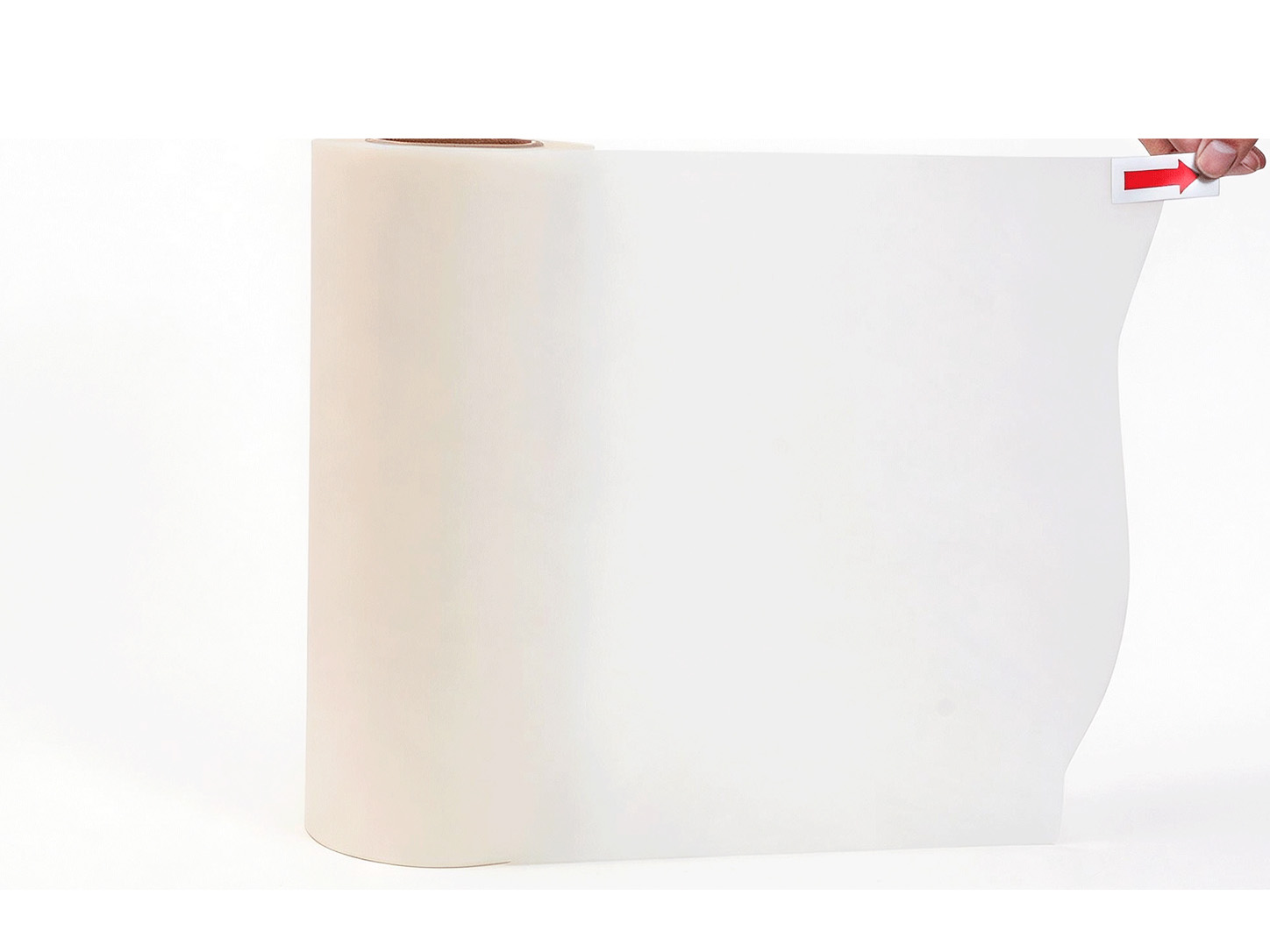
 DTF FILM TEXTILE
 UV DTF FILM
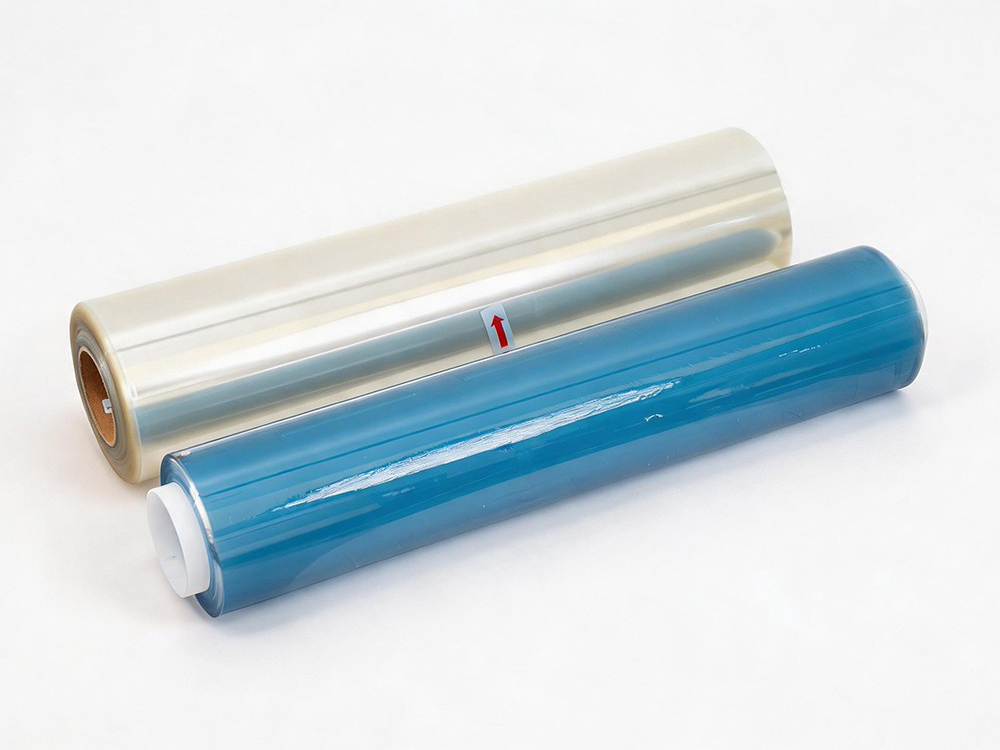
 TPU UV DTF FILM
 TPU DTF POWDER
 Application
 Resources



FAQ
Technical Specifications & FAQ
Explore comprehensive details, troubleshooting, and operational guidelines for professional DTF printing systems and materials.
Q1: What is DTF Film, and How Does It Work?
DTF (Direct to Film) film is a PET-based film coated with a printable surface. The process involves:
Printing CMYK + white ink onto the film.
Applying hot-melt adhesive powder.
Curing the film with heat.
Heat-pressing the design onto fabric or other substrates.
Key advantage: Works on all fabrics without pre-treatment .
Q2. What Fabrics Are Compatible with DTF Film?
DTF works on cotton, polyester, blends, leather, denim, spandex, and even non-textiles like wood or metal (with surface preparation) . Stretchable DTF film is ideal for activewear .
Q3. Can I Use DTF Film on Waterproof Materials?
Yes, but ensure the substrate is primed or treated to enhance adhesion.
Q4. What Causes Design Peeling After Washing?
Insufficient heat/pressure: Use 320 – 360 ° F (160 – 180 ° C) for 10 – 15 seconds with even pressure.
Expired film/powder: Replace if clumpy or past expiration .
Q5.Is DTF printing wash-resistant?
High-quality DTF prints can withstand over 30-50 washes, depending on adhesive powder quality and pressing technology.
Q6. How to Fix Curling DTF Film?
Store flat with weights for 24 hours.
Mist the non-printed side with water (avoid ink) if caused by dryness.
Adjust printer tension settings .
Q7. What ’s the Shelf Life of DTF Film?
12 months if stored in a cool, dry environment (60 – 77 ° F / 15 – 25 ° C) with humidity <60% .
Q8. Can I Reuse Excess Adhesive Powder?
Yes! Collect unused powder and store it in a sealed container, free of lint or ink residue .
Q9. Do I Need a Special Printer for DTF Film?
Yes. Use a modified inkjet printer (e.g., Epson) with DTF-specific water-based inks. Avoid regular inkjet or sublimation printers .
Q10. How to Achieve Accurate Color Matching?
Use ICC profiles and RIP software (e.g., AcroRIP) to calibrate colors. Test prints on your substrate first .
Q11. What ’s the Difference Between Hot Peel and Warm Peel Films?
Hot peel: Peel immediately after pressing for a softer feel.
Warm peel: Let cool 10–15 seconds for better edge adhesion .
Q12. Can I Layer Multiple DTF Designs on the Same Garment?
Yes, but allow each layer to cool completely before adding another. Secure alignment with thermal tape .
Q13. How to Remove a DTF Print from Fabric?
Heat the design with an iron (low heat).
Apply rubbing alcohol or acetone to loosen the adhesive.
Scrape off residue with a plastic tool .
Q14. Are DTF Inks Eco-Friendly?
Many DTF inks are OEKO-TEX® certified and comply with REACH/ZDHC standards, making them hypoallergenic and low-VOC .
Q15. How to Handle White Ink Separation in Printers?
White ink settles over time. Use an electric stirrer or printer ’ s built-in agitation system. Avoid letting it sit idle for >3 days .
Q16. What ’s the Best Way to Store DTF Film Long-Term?
Keep unused film in its original sealed packaging or airtight bags. Store flat in a cool, dry place to prevent curling .
Q17. Can I Use a Household Iron Instead of a Heat Press?
Yes for small projects. Set to medium heat (no steam), press for 15 –20 seconds, and let cool before peeling. A heat press is recommended for consistency .
Q18.What ’s the difference between DTF, DTG, and heat transfer?
DTG: Prints directly on garments, ideal for light cotton but with a stiffer feel. Heat transfer (Sublimation): Only works on polyester or coated items.
DTF: More versatile, better elasticity, and suitable for dark fabrics.
Q19.Visual Defects, dull or Faded Colors After Press
Check fabric type and heat press pressure—too low can reduce vibrancy.
Confirm correct color profile in RIP software (CMYK+W) and resolution (300 dpi).
Q20. How to Avoid Streaks or Track Marks on Film?
Vertical streaks: Clean internal printer rollers with a lint-free cloth.
Random marks: Inspect/clean the encoder strip .
Q21. Can I Use DTF Film for Outdoor Applications?
Yes, but apply a UV-protective spray coating to prevent fading. UV DTF films (e.g., Yesion) offer better outdoor durability .
Q22. What ’s the Difference Between DTF Film and Sublimation Paper?
Substrates: DTF works on all fabrics; sublimation only on polyester.
Opacity: DTF is opaque on dark fabrics; sublimation is translucent .
Q23. How to Use Glow-in-the-Dark DTF Film?
Charge it: Expose to light for 5+ minutes before use.
Print with white ink: Enhances glow visibility.
Cold peel: Wait 8–10 seconds after pressing to peel .
Q24. How to Maintain Printer Performance?
Daily: Clean printheads, check nozzle tests.
Weekly: Lubricate moving parts and inspect ink lines.
Monthly: Calibrate color profiles .
Q25. Can I Mix DTF Inks from Different Brands?
No. Inks may react poorly, causing clogs or color shifts. Use brand-specific inks (e.g., Kingdom DTF, Lawson) .
Q26. What ’s the Role of ICC Profiles in DTF Printing?
ICC profiles ensure color consistency between your screen and printed output. Use profiles provided by your ink/film supplier (e.g., Kingdom DTF ’s matte/glossy profiles) .
Q27. How to Achieve a Soft Hand Feel on Garments?
Perform a second heat press (10 – 15 seconds at 320 ° F / 160 ° C) with parchment paper over the design to smooth the adhesive .
Q28. Can I Use DTF Film for Customized Shoes or Bags?
Yes! DTF adheres to leather, canvas, and synthetic materials. Test adhesion on a hidden area first .
Q29. How to Handle DTF Film in High-Humidity Environments?
Use a dehumidifier to keep humidity <60%. Excess moisture can cause ink smudging or powder clumping .
Q30. What ’s the Cost Difference Between DTF and Screen Printing?
DTF has lower setup costs (no screens) and is cost-effective for small/medium runs. Screen printing is cheaper for 1,000+ units but lacks design flexibility .
Q31. How to Create Multi-Layered Textures with DTF?
Layer different film types (e.g., glitter + standard) or use embossing powders for 3D effects. Ensure each layer cools fully before adding the next .
Q32. What ’s the Environmental Impact of DTF Printing?
DTF generates less waste (no vinyl scraps) and uses energy-efficient curing. Recyclable films ( further reduce environmental impact .
Q33. Can I Use DTF Film for Home Decor Items?
Yes! Apply designs to curtains, pillows, or tablecloths made of cotton or polyester. Avoid washing frequently to preserve longevity .
Q34. What ’s the Warranty on DTF Printers and Films?
Our Film warranty is 12 months ..