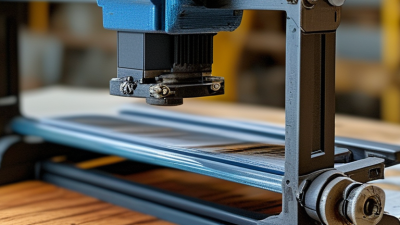
In today’s super competitive market, picking the right Heat Transfer Film Printer is kind of a big deal if you’re serious about boosting your product quality and efficiency. I mean, a recent report from Smithers Pira points out that demand for top-notch heat transfer printing solutions has been steadily growing, with projections showing a 6% annual jump through 2025. That really underscores just how important it is to invest in more advanced printing tech these days.
Industry pro John Davis puts it nicely: “Choosing the right Heat Transfer Film Printer can really make a difference when it comes to how fast you can produce and how much you save on costs.” His take really shows how companies are shifting gears—they’re not just sticking with the same old stuff anymore. As markets change, businesses have gotta keep up and make the most of new printing technologies.
But here’s the thing— not all printers are created equal. Some might fall short when it comes to color accuracy or durability, so it’s super important to do your homework before jumping in. Figuring out what exactly you need and balancing your budget against quality can sometimes mean dealing with a few bumps in the road. It might take some trial and error to find that perfect Heat Transfer Film Printer, but honestly? The payoff in the long run can really help your business grow and stay sustainable. It’s a bit of a journey, but totally worth it in the end.
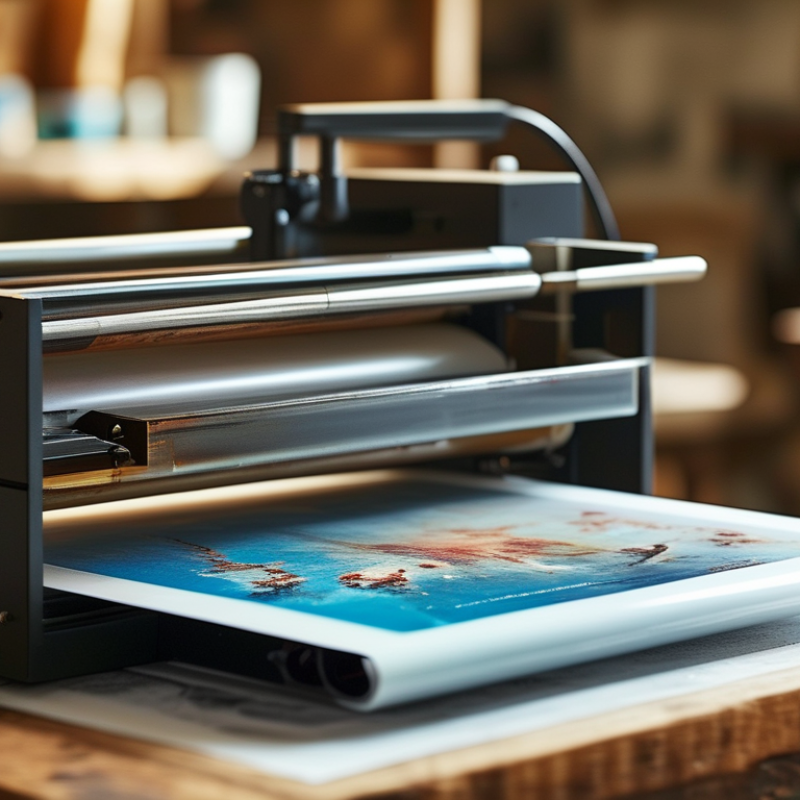
Understanding Heat Transfer Film Printing Technology
Heat transfer film printing has become a significant technology in the garment and promotional product industry. This method utilizes a special film that transfers designs onto various surfaces. The global market for heat transfer printing is projected to grow at a rate of 4.3% annually, indicating a robust demand for quality printers and films. Businesses face an essential decision regarding the selection of printers. Choosing the right Heat Vinyl Printer influences production speed and print quality significantly.
One critical aspect of heat transfer film printing is the application of heat and pressure. This enables the design to bond deeply with the fabric, resulting in durable and vibrant prints. Studies show that properly executed transfers can last over 50 washes. However, the technology is not flawless. Common issues include uneven heat distribution and improper pressure, which can cause peeling or fading. It's vital for businesses to conduct thorough testing to find the right settings on their Heat Vinyl Printer.
Understanding the materials used in heat transfer printing also plays a crucial role. The choice between PVC and PU films can affect the final product’s softness and flexibility. Reports indicate that PU films are often more eco-friendly and better suited for intricate designs. Businesses must evaluate their specific needs and capacities carefully. Balancing cost, quality, and the complexity of designs can be challenging, but it is essential for long-term success in this competitive field.
Key Features to Consider in a Heat Transfer Film Printer
When selecting a heat transfer film printer, several key features significantly influence your business operations. One essential criterion is the printer's resolution, which determines the quality of the prints. High-resolution printers produce vibrant colors and crisp details, which are crucial for
T Shirt Heat Printer applications. According to industry research, printers with a resolution of at least 1200 DPI provide optimal print clarity and are preferred by professionals in the textile printing sector.
Speed is another vital aspect to evaluate. Many modern heat transfer film printers can produce prints at rates exceeding 30 square meters per hour. This efficiency allows businesses to handle larger orders and tight deadlines effectively. However, faster speeds may sometimes compromise print quality, which requires careful consideration. Balancing speed with quality is an ongoing challenge in the industry.
Durability is a critical factor as well. The longevity of prints can significantly impact customer satisfaction and repeat business. Reports indicate that printers utilizing advanced inks and films can withstand multiple washes without fading, a key selling point for T Shirt Heat Printer services. Still, some businesses may encounter issues with adhesion or longevity under demanding conditions. Reflecting on these challenges can help in choosing the right equipment that aligns with business needs.
Top Brands and Models of Heat Transfer Film Printers
When looking for the best heat transfer film printers, several models stand out based on industry analysis and user feedback. According to a report by the International Print Technologies Institute, the demand for high-quality, durable prints increased significantly over the past few years. This demand stresses the importance of choosing printers that not only meet business needs but also adapt to evolving market trends.
Among popular models, those designed for flexibility and speed are gaining traction. Users value printers that can handle diverse materials. Certain models have shown an ability to print on various substrates, which enhances productivity. However, they may require frequent maintenance, impacting workflow efficiency. Therefore, while these printers offer versatility, the potential downtime should be considered before investing.
Moreover, user reviews indicate that reliability is crucial. Many businesses report issues with print consistency over time. They note that poorly calibrated machines lead to wasted materials and lost revenue. Evaluating customer service and warranty options can provide additional peace of mind when choosing a model. This reflects the need for a balanced approach in selecting the right heat transfer film printer.
Comparative Analysis: Cost vs. Performance in Printers
Choosing the right heat transfer film printer for your business can be challenging. The balance between cost and performance is often tricky. You want a machine that meets your production needs without breaking the bank. Various models offer different features, but not all justify their price tag. It's essential to analyze what features truly matter for your specific applications.
Performance is key when examining printers. Look at print speed and quality. High-quality prints can justify a higher initial investment. Still, a slower printer with decent quality might suffice for low-volume operations. Customer reviews and expert opinions provide valuable insight. They often highlight aspects that manufacturers overlook. However, conflicting reviews can lead to confusion. It’s important to dig deeper and focus on reliable sources.
Consider long-term costs as well. Some printers have low upfront costs but high maintenance expenses. Others may have more expensive parts but require fewer repairs. Reflect on your business needs and the volume of printing you anticipate. This helps to determine what printer will serve you best in the long run. Evaluate your options critically, and don’t hesitate to ask for demos.
Best Heat Transfer Film Printer for Your Business Needs? - Comparative Analysis: Cost vs. Performance in Printers
| Printer Model |
Cost ($) |
Print Speed (sq ft/hr) |
Print Quality (dpi) |
Operating Cost / Print ($) |
| Model A |
1200 |
30 |
1200 |
0.50 |
| Model B |
1500 |
25 |
1440 |
0.45 |
| Model C |
1800 |
20 |
1600 |
0.55 |
| Model D |
2000 |
15 |
720 |
0.60 |
| Model E |
2200 |
10 |
600 |
0.65 |
Maintenance and Care Tips for Heat Transfer Film Printers
Maintaining a heat transfer film printer requires attention and care. Regular cleaning is crucial. Dust and ink residue can affect print quality. Use a soft cloth to wipe down the exterior and the feed rollers. For the interior, gentle cleaning with a lint-free cloth helps prevent buildup. This task, often overlooked, can significantly extend the life of your printer.
Temperature control is another critical factor. Heat-sensitive components need to be monitored closely. High temperatures could damage delicate parts, while low temperatures may cause malfunctions. It's important to check the manufacturer's guidelines regularly. Keeping the printer in a temperature-stable environment can avoid wear.
Software updates are essential for performance. An outdated system can lead to printing issues. Regularly check for updates and install them promptly. This practice enhances functionality and keeps your Digital Heat Printer running smoothly. Not attending to these details can lead to frustrating downtime. Regular maintenance ensures reliability and efficiency over time.
Common Applications of Heat Transfer Film Printing in Business
Heat transfer film printing has become a popular choice for businesses. This method offers versatility, enabling the production of high-quality images on various materials. Common applications include apparel, promotional items, and custom packaging. Entrepreneurs frequently use this technique to create unique designs that resonate with their target audience.
When considering a Heat Printer Machine, think about your specific needs. Assess the materials you plan to print on and the volume of production. Certain machines excel at printing on fabrics, while others are better suited for hard surfaces. Research the capabilities of different models to find one that aligns with your business goals.
Tip: Always test a sample print before committing to a large batch. It's essential to evaluate color accuracy and material compatibility. Additionally, be mindful of the learning curve with new technology. Investing time in training can pay off in improved workflow and product quality. Remember, getting it right the first time can save costs and time later on.
Choosing the Right Printer for Different Business Needs
Choosing the right heat transfer film printer can significantly impact your business operations. Different businesses have unique needs based on their print volume, fabric type, and complexity of designs. For a small custom apparel shop, a compact printer may suffice. However, larger operations might require a high-capacity model to handle bulk orders efficiently. Understanding your production scale is vital in making this choice.
It's also crucial to consider the types of materials you will print on. A versatile printer works well with various fabrics—cotton, polyester, and blends. If your focus is on sportswear, look for equipment that handles high-performance fabrics. Some printers may struggle with intricate designs, which can lead to wasted materials and time. Analyzing your specific applications will help narrow down the options.
Moreover, technology plays a significant role in choosing a printer. Some models offer advanced features like automatic color matching and high-resolution output. These can enhance the final product's quality but may come at a higher cost. It's worthwhile to weigh the investment against potential returns. Regular maintenance and training staff on the best practices can improve reliability and productivity in the long run. Evaluating these aspects ensures you select a printer that aligns with your goals.
The Ultimate Guide to Using Matte 3D Metallic Gold TPU DTF Film for Stunning Custom Designs
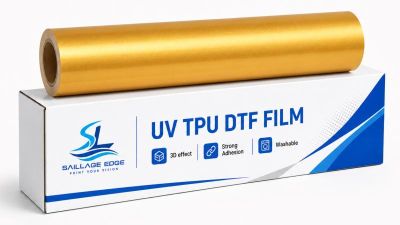
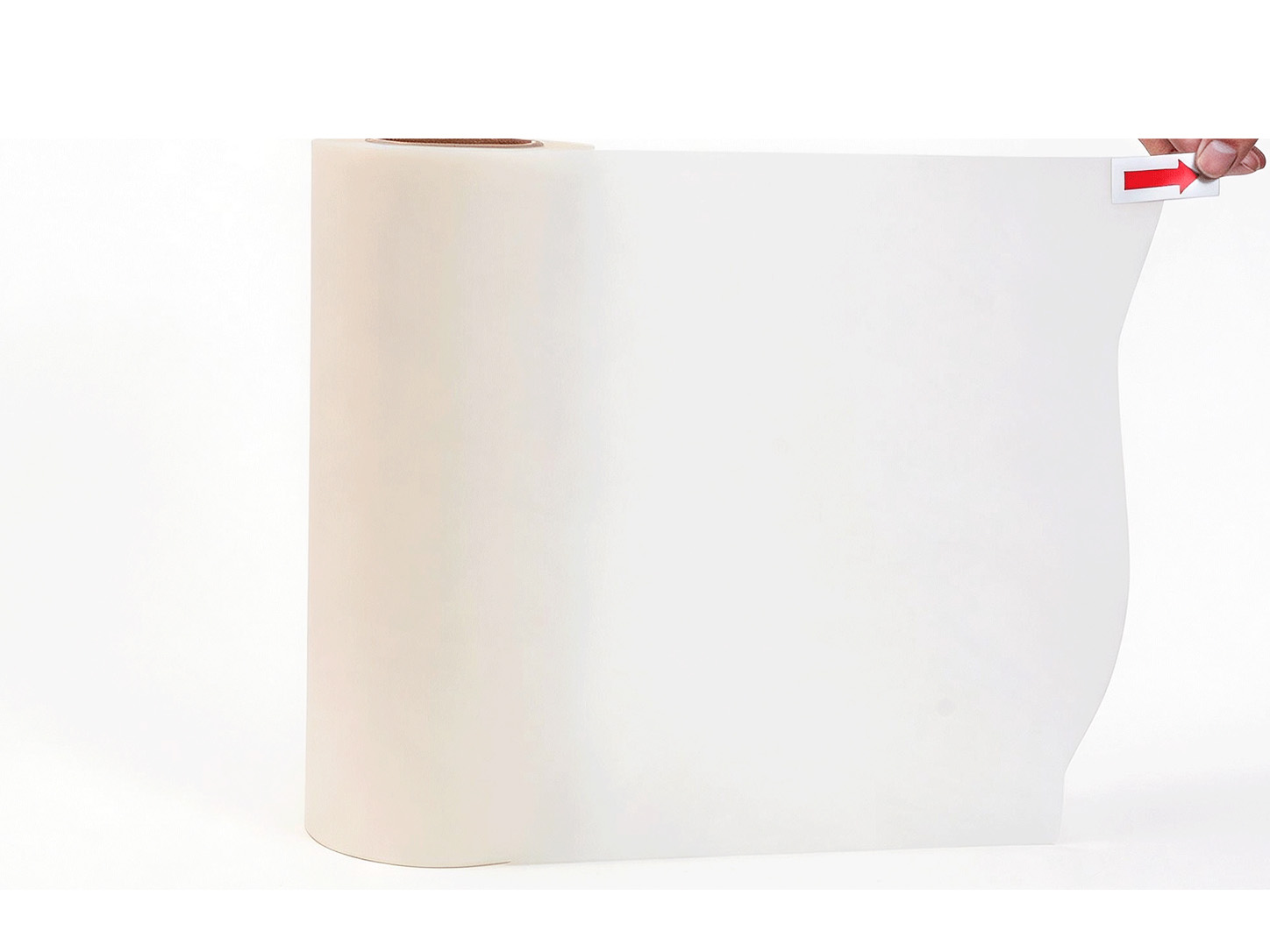
When it comes to custom designs, the choice of materials can profoundly impact the final product. Matte 3D Metallic Gold TPU DTF Film stands out as an exceptional option for those seeking to create visually stunning and high-end heat transfer applications. This film not only offers a sophisticated satin finish but also features a soft matte texture that adds depth and elegance to any design. According to recent industry reports, the demand for premium heat transfer materials has surged, with the global custom apparel market projected to reach over $10 billion by 2025, underscoring the importance of quality materials like Matte Metallic Gold UV TPU Film.
The refined metallic effect of this TPU film makes it an ideal choice for brands aiming to convey luxury and sophistication. Its unique gold tone enhances the aesthetic appeal of garments, while the understated surface ensures versatility across various design styles. A survey conducted by the Textile Research Journal revealed that over 70% of consumers prefer garments that incorporate high-quality finishes, further validating the use of such premium materials in custom applications. The Matte Metallic Gold UV TPU Film perfectly aligns with this trend, providing designers with the tools they need to deliver exceptional results.
Furthermore, with advancements in printing technology, the ability to achieve intricate designs has never been easier. This film allows for detailed and vibrant prints that maintain their integrity during wear and washing. As the market continues to evolve, incorporating luxury materials like Matte Metallic Gold UV TPU Film can set brands apart, allowing them to capitalize on the growing consumer preference for quality and aesthetics in custom apparel.
FAQS
: The printer's resolution is vital. High-resolution printers with at least 1200 DPI produce better quality prints.
Speed impacts production efficiency. Printers that exceed 30 square meters per hour help meet tight deadlines but may lower quality.
Durable prints that resist fading after washes improve customer retention. However, issues with adhesion can arise in tough conditions.
Small custom shops may require compact printers suited for their limited production scale. Larger operations need high-capacity models.
A versatile printer can handle various fabrics like cotton and polyester, crucial for custom designs and different applications.
Features like automatic color matching enhance print quality but can increase costs. Weighing these factors is essential for investment decisions.
Some printers struggle with detailed designs, leading to wastage of materials and time. Careful consideration of printer capabilities is essential.
Regular maintenance and staff training ensure optimal printer performance and productivity. Neglect can lead to unexpected downtime.
Advanced technology improves quality but may come at a higher price. Evaluating costs versus benefits is crucial for effective purchasing decisions.
No, some printers excel with specific fabrics. Understanding your fabric needs helps avoid mismatches and inefficiencies.
Conclusion
The article "Best Heat Transfer Film Printer for Your Business Needs?" explores the essentials of heat transfer film printing technology, outlining critical features to consider when selecting a heat transfer film printer. It discusses various brands and models available in the market, providing a comparative analysis of cost versus performance to help businesses make informed decisions. Maintenance and care tips are also provided to ensure longevity and optimal functionality of the printers.
Additionally, the article highlights common applications of heat transfer film printing across various industries, emphasizing the importance of choosing the right printer tailored to specific business needs. This comprehensive guide serves as a valuable resource for anyone looking to invest in a heat transfer film printer to enhance their business capabilities.
 DTF FILM TEXTILE
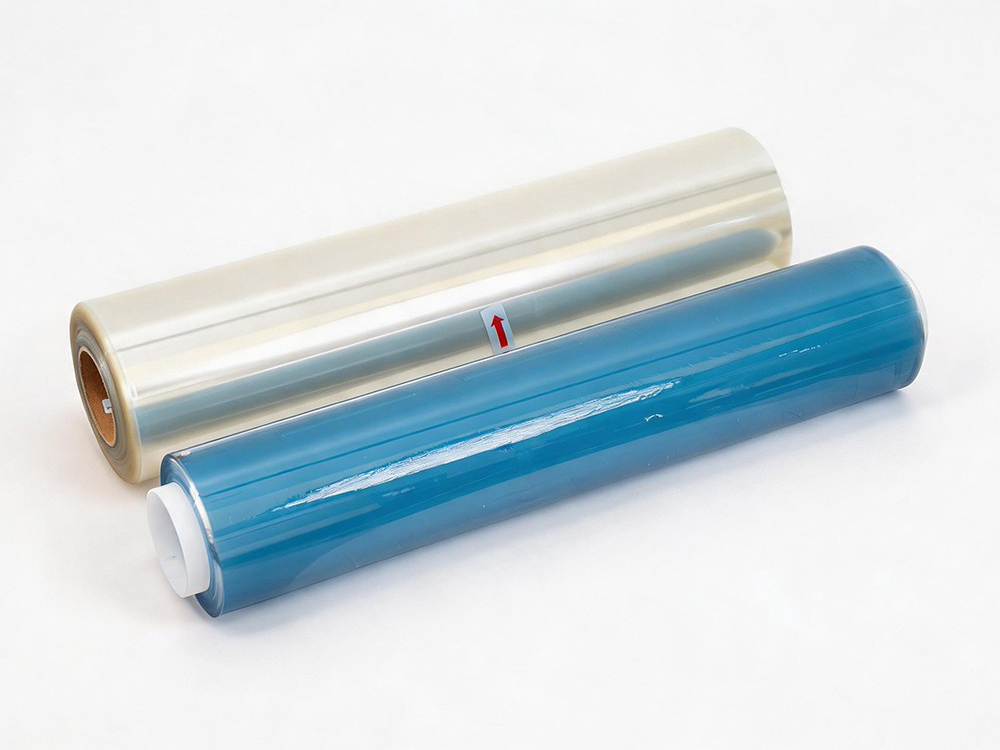 UV DTF FILM
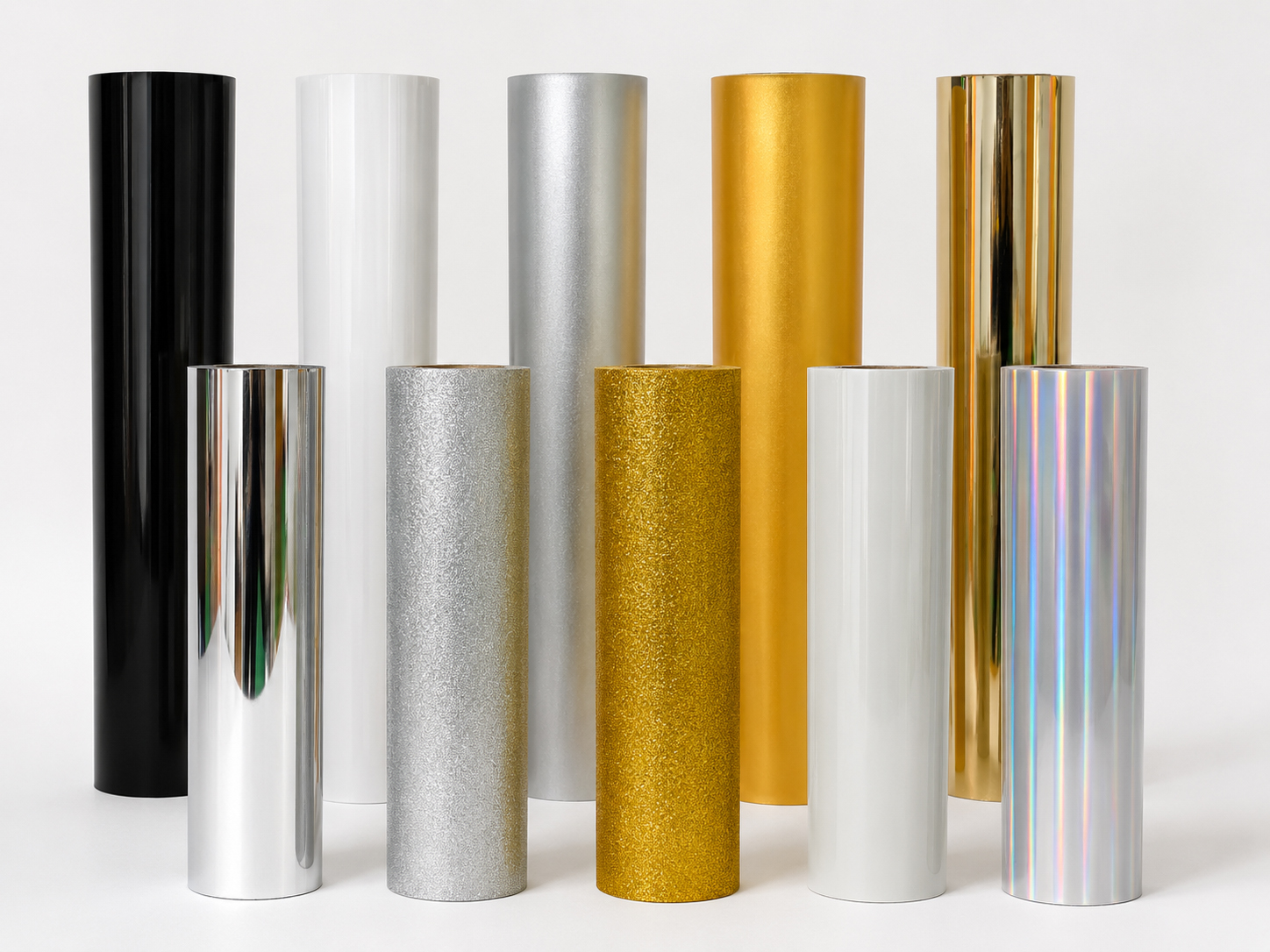 TPU UV DTF FILM
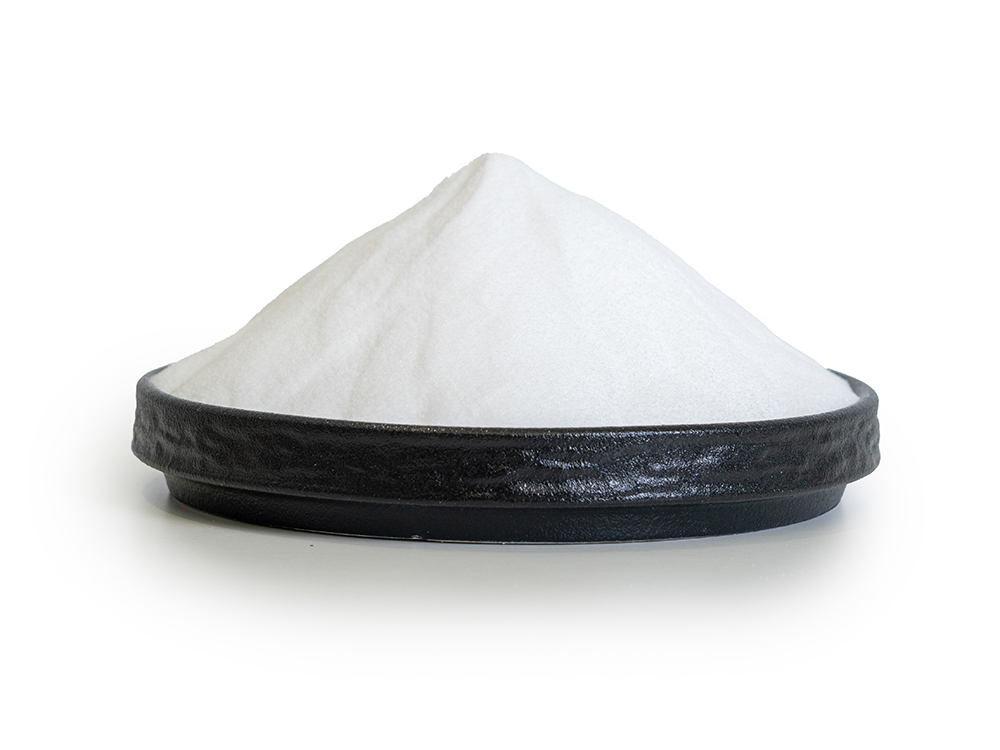 TPU DTF POWDER
 Application
 Resources