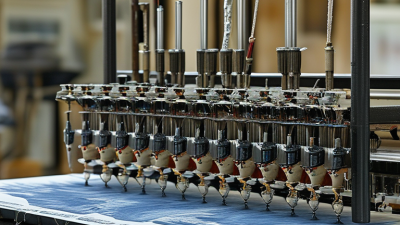
The printing world is changing pretty fast these days, with new tech pushing the demand for more advanced equipment. One machine that really stands out in this scene is the Hot Press Printing Machine. I recently came across a market report from Smithers Pira that says the global hot press printing market is growing around 4.5% each year — and it's projected to hit about $6.3 billion by 2025. It’s mainly driven by industries like textiles, packaging, and woodworking, all of which are on the hunt for faster, more efficient printing solutions.
Hot press printing offers some real perks—like quick turnaround times and crisp, high-quality prints. Companies like Fujifilm and HP are really pushing the envelope here, creating machines that are both speedy and accurate. But, honestly, choosing the right machine isn’t a one-size-fits-all deal. You’ve gotta think about your specific needs and how big your operations are. Some folks might overlook the long-term costs involved in maintenance and running these machines, which can kinda sneak up and impact profits.
Sure, these top-tier machines can deliver amazing results, but they also come with their own set of challenges. It’s all about finding the sweet spot—balancing the features you really need with what you can afford. Not every hot press printer is gonna be perfect for every job, and that can lead to some disappointment if you’re not careful. So, for buyers around the world, it’s super important to really weigh your options. Make sure the machine you pick can handle your current workload and has room to grow in the future.
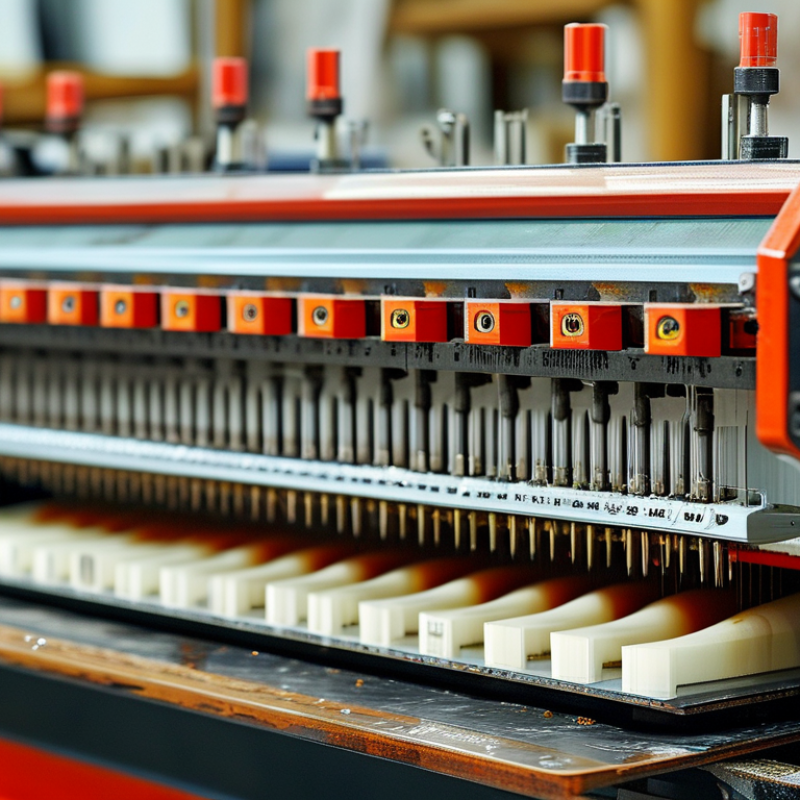
Overview of Hot Press Printing Technology and Its Applications
Hot press printing technology is a versatile method extensively used across various industries. It combines heat and pressure to transfer designs onto a variety of materials, such as textiles, wood, and plastics. Unlike traditional printing methods, this process yields vibrant colors and intricate patterns. The results are often more durable as well. Many industries, including fashion and packaging, benefit from this technology due to its efficiency and quality.
However, implementing hot press printing isn’t without challenges. Machines can be costly, requiring a substantial investment. Additionally, operators need specialized training to achieve the best results. Mismatched temperatures or pressure settings can lead to poor-quality prints. Over time, maintenance becomes crucial. Operators must regularly inspect machinery to ensure consistent output. This highlights the importance of operator expertise in navigating the complexities of hot press printing technology.
Top 10 Hot Press Printing Machines for Global Buyers
| Machine Model |
Max Printing Area (mm) |
Heat Press Range (°C) |
Print Speed (m/min) |
Power Consumption (kW) |
Application |
| Model A |
600 x 400 |
0 - 220 |
15 |
3.5 |
Textiles, Cards |
| Model B |
800 x 600 |
0 - 250 |
12 |
4.0 |
Ceramics, Tiles |
| Model C |
400 x 300 |
0 - 180 |
10 |
2.5 |
Wood, Glass |
| Model D |
1000 x 800 |
0 - 230 |
18 |
5.0 |
Apparel, Bags |
| Model E |
500 x 500 |
0 - 200 |
16 |
3.0 |
Promotional Items |
| Model F |
700 x 400 |
0 - 240 |
14 |
3.8 |
Metal, Plastic |
| Model G |
300 x 200 |
0 - 220 |
20 |
2.0 |
Gifts, Novelties |
| Model H |
900 x 700 |
0 - 260 |
15 |
4.5 |
Home Decor |
| Model I |
650 x 450 |
0 - 200 |
12 |
3.2 |
Food Packaging |
| Model J |
400 x 600 |
0 - 240 |
10 |
2.8 |
Labels, Stickers |
Criteria for Selecting the Best Hot Press Printing Machines
When selecting the best hot press printing machines, potential buyers should focus on several key factors. These include print quality, speed, durability, and versatility. According to a recent industry report, 70% of buyers prioritize print quality over other features. A machine with high resolution can greatly impact the final product's appeal. Additionally, a faster printing speed can enhance productivity, especially in high-demand environments.
Another vital aspect is the machine's durability. Machines built with high-quality materials tend to last longer, minimizing downtime. A market survey revealed that buyers are willing to invest up to 30% more for models that promise better longevity. Versatility is equally crucial, as industries often require machines that can handle various substrates. Machines that can seamlessly adapt to different media types are favored.
While these criteria are fundamental, not all machines meet these expectations. Some might excel in print quality but fall short in speed. Others may be durable but lack versatility. This gap highlights the importance of thorough research. Prospective buyers must evaluate product reviews and performance data to make informed decisions. Balancing these factors can lead to a more suitable selection.
Top 10 Hot Press Printing Machines for Global Buyers
The demand for hot press printing machines is growing globally. According to a recent industry report, the market for these machines is expected to reach $1.5 billion by 2025. Businesses are looking for efficient, high-quality printing solutions to meet diverse customer needs.
When selecting a hot press printing machine, key factors include durability, ease of use, and maintenance costs. Machines with advanced features may offer better results, but they often come with a higher price tag. It is crucial for buyers to strike a balance between quality and affordability.
**Tip:** Always assess the technical support offered by manufacturers. Good support can save time and reduce downtime during production.
Not all machines perform equally. Some may have inconsistent heating, which affects print quality. Researching user reviews can provide valuable insights into potential issues and help make informed decisions.
**Tip:** Consider the long-term performance and not just the purchase price. A machine that lasts longer may offer better overall value due to fewer replacements.
Investing in hot press printing machines requires careful thought. The right choice can enhance productivity and customer satisfaction significantly.
Top 10 Hot Press Printing Machines Sales Data
Detailed Review of Each Featured Printing Machine
In the competitive landscape of printing technology,
hot press printing machines have gained significant attention. These machines not only offer high-quality output but also enhance workflow efficiency. A recent industry report indicates that the global hot press market is projected to grow by 5.6% annually. This growth reflects the increasing demand for high-performance printing solutions across various sectors.
Examining different machines reveals key features that cater to diverse needs. For instance, many machines offer adjustable temperature settings, allowing users to optimize the printing process. This flexibility can lead to better results, yet it also requires operators to have a solid understanding of material properties. Mismanagement of temperature or pressure can result in poor print quality or machine damage, illustrating the need for ongoing training and supervision in this area.
Moreover, the production speed of hot press machines varies widely. Some models achieve speeds of up to 1,200 prints per hour, significantly improving productivity. However, operators may encounter challenges in maintaining quality at such high speeds. Recognizing the balance between speed and quality is critical. Ultimately, buyers must weigh their specific requirements and operational capabilities to find the best fit in the fast-evolving printing industry.
Comparison of Features and Specifications
When selecting hot press printing machines, understanding their features and specifications is crucial. These machines vary in pressure settings, heat sources, and speed capabilities. Some models utilize hydraulic mechanisms, which offer precise control. Others may use pneumatic systems that enhance efficiency but might lack the same level of precision.
Materials used in construction also matter. Aluminum frames are lightweight yet sturdy. Steel components offer durability but add weight. Many machines come with advanced digital controls, allowing for real-time adjustments. However, users sometimes face a steep learning curve with these complex interfaces.
Energy consumption is another aspect to consider. Some machines are designed to be energy-efficient, while others may require significant power inputs. This often affects overall operational costs. Additionally, maintenance needs can vary widely. While some models boast low maintenance, others may require regular servicing that can disrupt production schedules. It's essential to weigh these factors during the selection process.
User Feedback and Performance Analysis
Choosing the right hot press printing machine can be overwhelming. User feedback is crucial in understanding performance. Many buyers emphasize the importance of ease of use and maintenance. Machines that are intuitive tend to receive higher ratings. Buyers often share how quickly they adapted to new settings. However, some machines come with steep learning curves. This can deter potential users.
Performance analysis reveals patterns in user experiences. Machines with consistent heat distribution deliver better results. Users report issues with uneven heat, leading to inferior prints. Many machines struggled with specific materials, affecting print quality. While some users are satisfied with the speed, others mention that speed can sacrifice detail. Reliability varies. A machine that works well initially may falter over time. Regular maintenance is often highlighted as essential.
Customer feedback highlights the importance of support and documentation. Users appreciate clear manuals and prompt customer service. Frustration arises when assistance is lacking. While many machines excel in performance, their success also hinges on how well companies support their users. This relationship often defines a buyer's overall experience. Quality machines are essential, but user guidance plays a significant role.
Future Trends in Hot Press Printing Technology
The landscape of hot press printing technology is witnessing transformative changes. Recent industry reports highlight a substantial growth rate. The global hot press printing market is expected to reach approximately $1.2 billion by 2027, growing at a CAGR of 5.2%. This signals an increasing interest in high-quality prints across various sectors.
One emerging trend is the shift toward automation. Modern machines are now equipped with advanced features like AI integration. This can enhance precision and reduce waste. However, achieving a balance between automation and human oversight remains a challenge. The need for skilled operators persists, as technical complexities can often surpass automated capabilities.
Moreover, sustainability has become a focal point. Companies are exploring eco-friendly materials and processes. A recent survey indicated that 63% of manufacturers prioritize sustainable practices. However, transition barriers exist. High initial costs for eco-friendly technology can deter investment. These obstacles require thorough evaluation as the industry looks to balance innovation with environmental responsibility.
Innovative Applications and Benefits of Hot Peel DTF Film for Creative Printing Solutions
The innovative applications of Hot Peel DTF (Direct to Film) transfer film are revolutionizing the creative printing sector by streamlining the production process and enhancing efficiency. The distinct feature of this film is its ability to allow for immediate peeling following hot pressing—eliminating the need for cooling time. This advancement has been proven to significantly reduce processing time per piece, enabling businesses to meet high-volume demands without sacrificing quality. According to industry reports, batch production efficiency can increase by up to 50% when using technologies like Hot Peel DTF film, making it a preferred choice for garment decorators.
The benefits of this transfer film extend beyond its time-saving capabilities. With its smooth powder adhesion and stable ink absorption, it is suitable for various fabric types, including cotton, polyester, and blended fabrics. This versatility allows for intricate designs to be transferred with clarity and precision, which is essential in meeting the growing consumer demand for customized apparel. As the customization trend continues to grow, as highlighted in market studies, innovative printing solutions like Hot Peel DTF film are set to become pivotal in the creative printing landscape, providing businesses with the tools to stand out in a competitive market.
Furthermore, by facilitating faster turnaround times without compromising on quality, businesses can capitalize on trends quickly and efficiently. As the apparel industry increasingly rallies around sustainability and eco-friendly practices, the adoption of such efficient printing technologies will play a key role in reducing waste and improving the overall environmental impact of garment production.
FAQS
: The market is expected to reach $1.5 billion by 2025.
Key factors include durability, ease of use, and maintenance costs.
Good support can help reduce downtime and save time during production.
Inconsistent heating can negatively impact print quality, leading to poor results.
Buyers should consider long-term performance and overall value over time.
Hydraulic systems offer precise control, while pneumatic systems enhance efficiency but may lack precision.
Aluminum frames are lightweight, while steel components are durable but heavier.
No, energy consumption and maintenance vary widely among different models.
Users may encounter a steep learning curve with complex interfaces.
Reviews provide insights into potential issues, influencing informed decision-making.
Conclusion
The article "Top 10 Hot Press Printing Machines for Global Buyers" provides a comprehensive overview of the hot press printing technology, emphasizing its diverse applications across various industries. It outlines essential criteria for selecting the most suitable hot press printing machines, catering to the needs of global buyers.
In-depth reviews of the top 10 machines highlight their features and specifications, while a comparative analysis offers insight into user feedback and performance. The article also explores future trends in hot press printing technology, indicating the evolving landscape and potential advancements in this field. This resource serves as a valuable guide for those looking to invest in hot press printing machines, ensuring informed decisions based on thorough research and analysis.

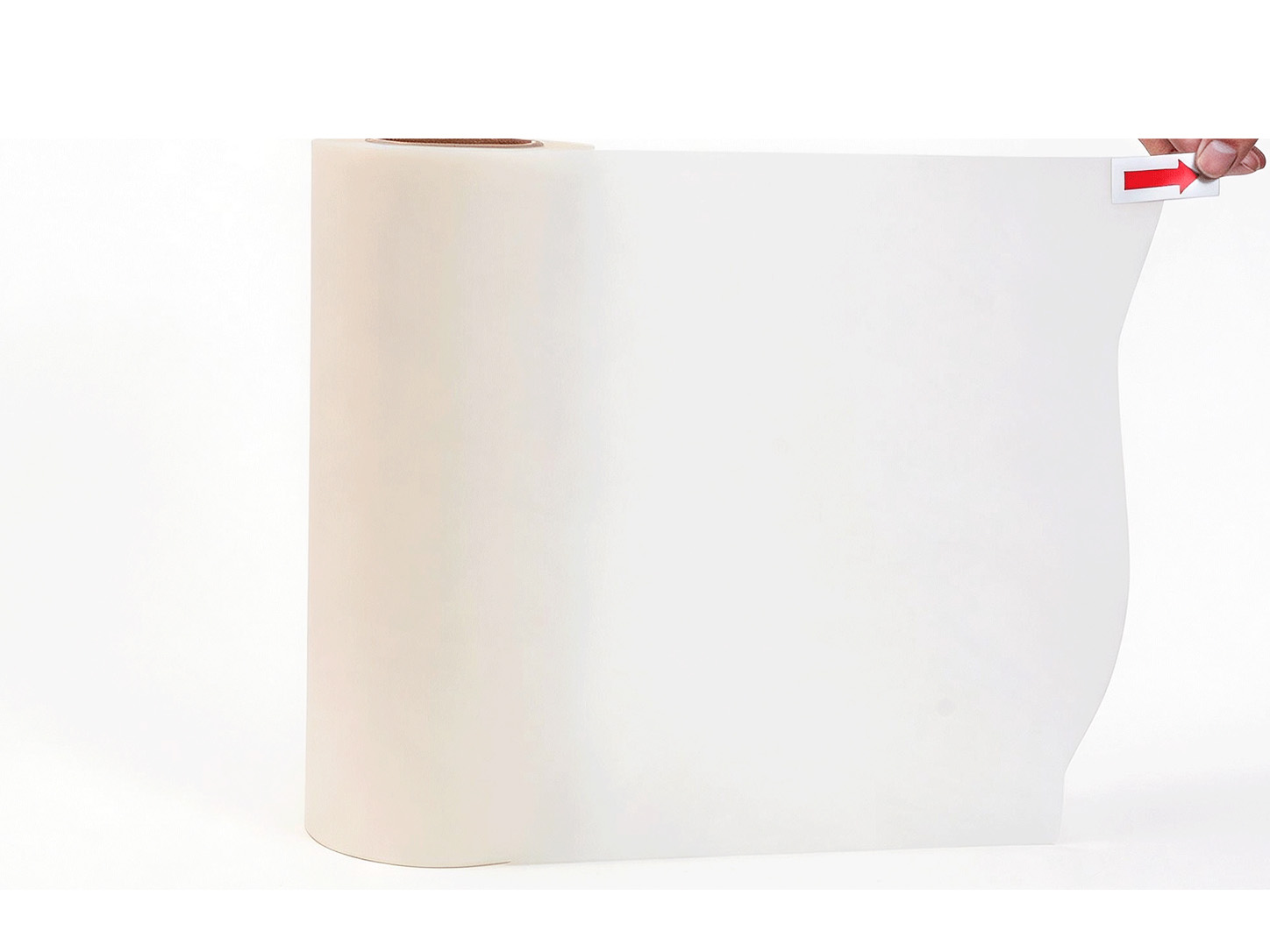 DTF FILM TEXTILE
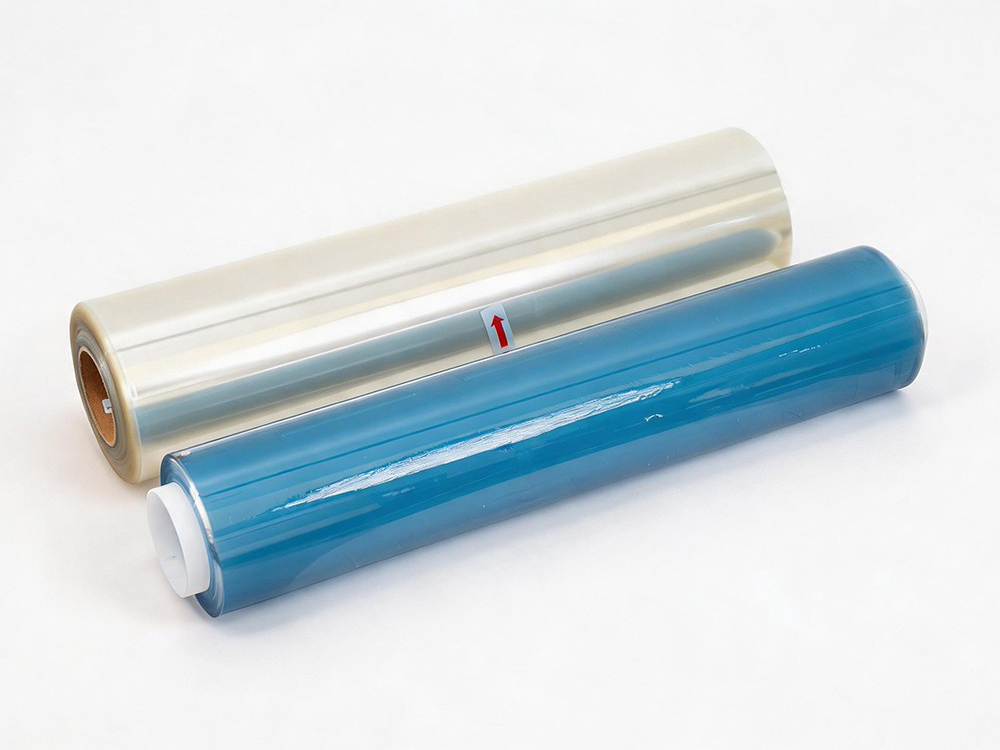 UV DTF FILM
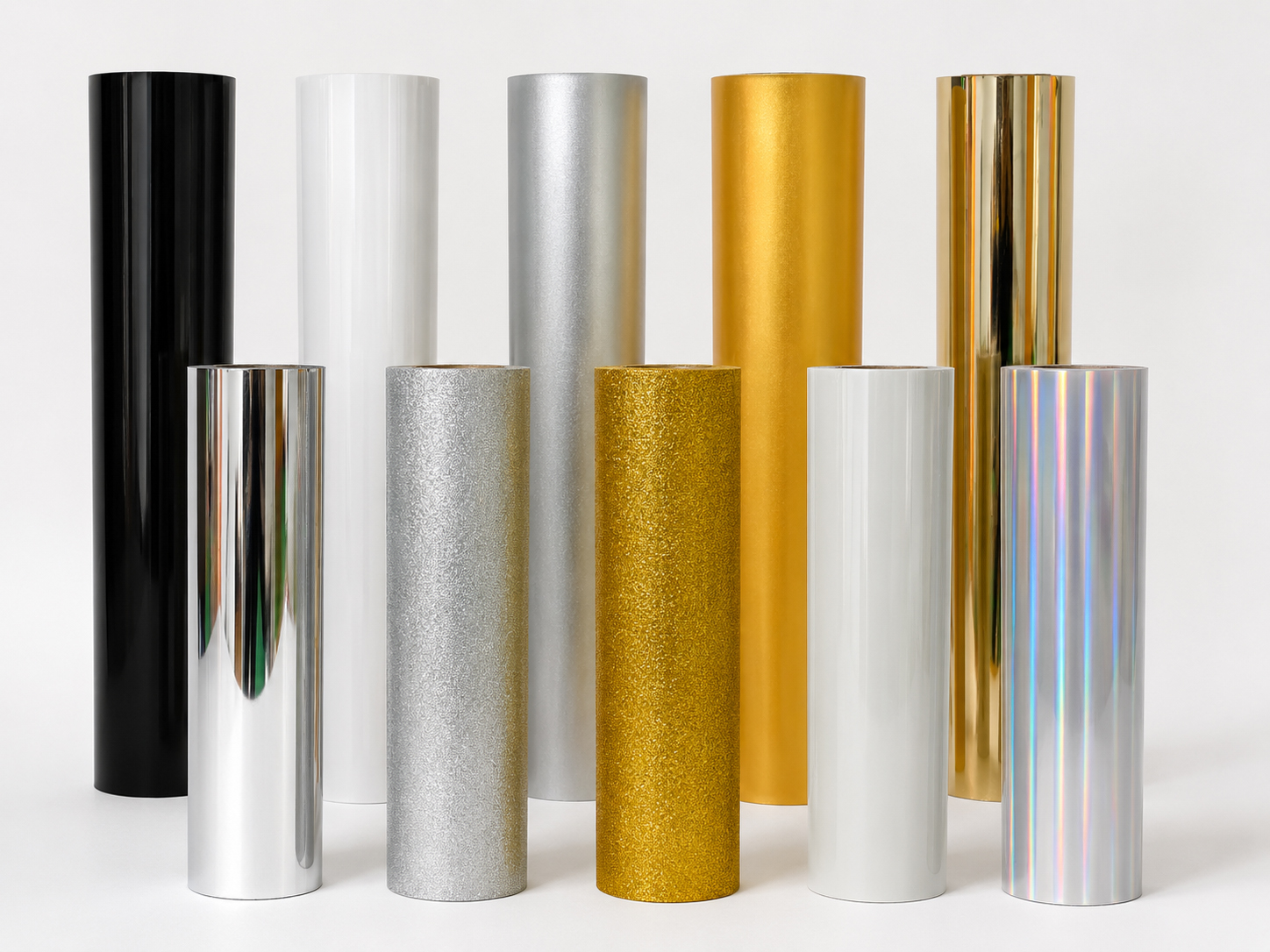 TPU UV DTF FILM
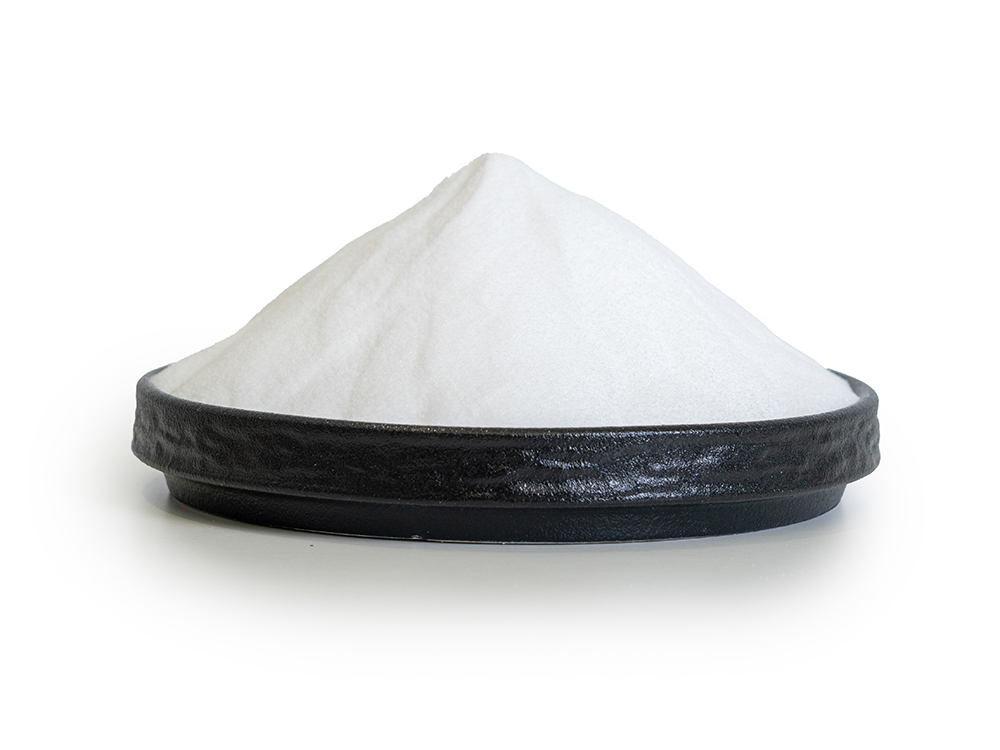 TPU DTF POWDER
 Application
 Resources