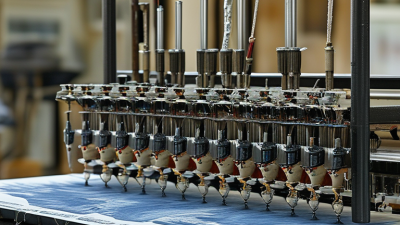
Looking ahead to 2026, it’s pretty clear that the demand for Heat Printers is going to pick up quite a bit. Businesses are really on the hunt for printing solutions that are both efficient and budget-friendly. A recent report by Smithers Pira predicts that the global market for heat printing will grow by more than 8% each year. That’s pretty significant and really shows how much more companies are focusing on branding and making their products more personalized. Experts are saying that when you get the printing right, it can seriously improve the whole customer experience.
John Taylor, who’s kind of a big deal in the printing world, mentioned that, “The effectiveness of Heat Printers is going to change the game in how businesses visually communicate.” That really highlights how crucial good printing quality is for a brand’s identity. But here’s the thing—not all Heat Printers are created equal. A lot of companies run into issues trying to find the right equipment that hits that sweet spot between performance and cost.
So, if businesses want to get it right, understanding the ins and outs of different Heat Printers becomes super important. With tons of brands and models out there, you’ve gotta really analyze what your specific needs are. Plus, the market’s changing so fast that staying ahead of the curve is basically a must. Picking the right Heat Printer could really make or break your branding efforts, but it’s easy to fall into some common traps. Checking out customer reviews and industry reports can save you a lot of trouble and help guide your decision.”
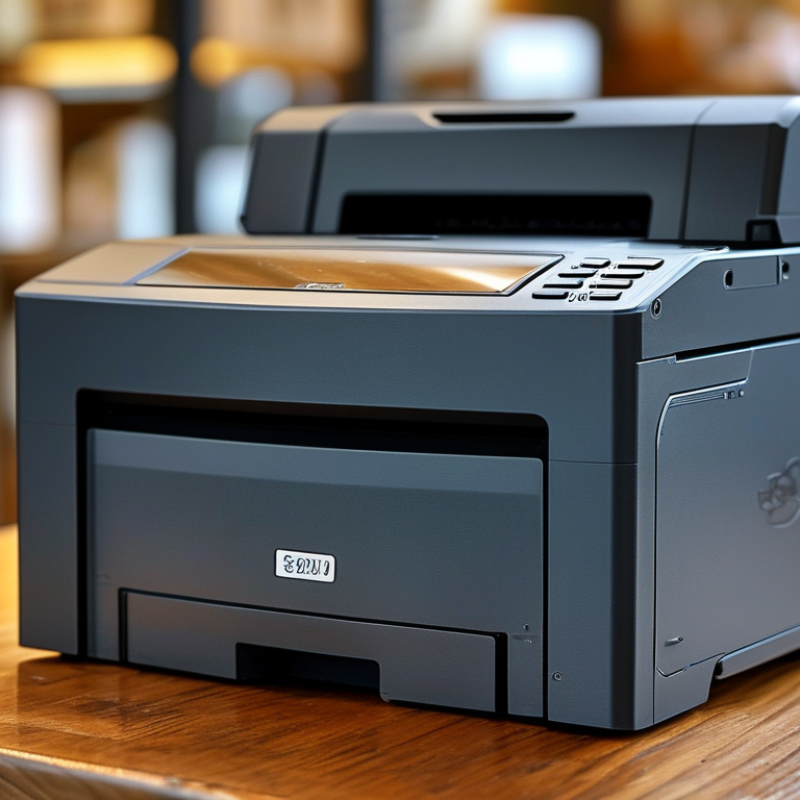
Top Heat Printers Overview for Business Applications in 2026
In 2026, the landscape of heat printers for business applications continues to evolve. Emerging technologies are shaping the market, especially the rise of Uv Dtf Printers. According to recent market analysis, the demand for high-quality print solutions is expected to grow by 8% annually. Businesses need reliable devices to meet customer expectations and maintain competitiveness.
UV DTF printers offer unique advantages. Their ability to print on various materials adds versatility to production lines. Users report a 30% reduction in printing time compared to conventional methods. This efficiency helps businesses scale operations without sacrificing quality. Moreover, environmental considerations are driving adoption. UV DTF printers utilize eco-friendly inks, aligning with sustainability goals.
However, not all businesses find the transition easy. Some report challenges in integrating new technology into existing workflows. The learning curve can be steep, resulting in temporary slowdowns. Investing in training and support can address these challenges. Companies must weigh the benefits of upgrading against the potential hurdles. Embracing UV DTF printers might require reflection on current practices and adjustments for future growth.
Key Features to Consider When Selecting Heat Printers
When selecting heat printers for your business, several key features stand out. The accuracy of temperature control is essential. A printer that maintains precise heat levels ensures consistent results. According to a report by the Printing Industries of America, printers that can adjust temperatures within a 1-2 degree margin yield better results. Such precision reduces the likelihood of defects.
Another critical factor is the printing speed. In a fast-paced environment, your heat printer must perform efficiently without sacrificing quality. A study from Smithers Pira revealed that modern heat printers can achieve speeds up to 200 prints per hour, significantly increasing productivity. Speed is not just a number; it impacts delivery times and customer satisfaction.
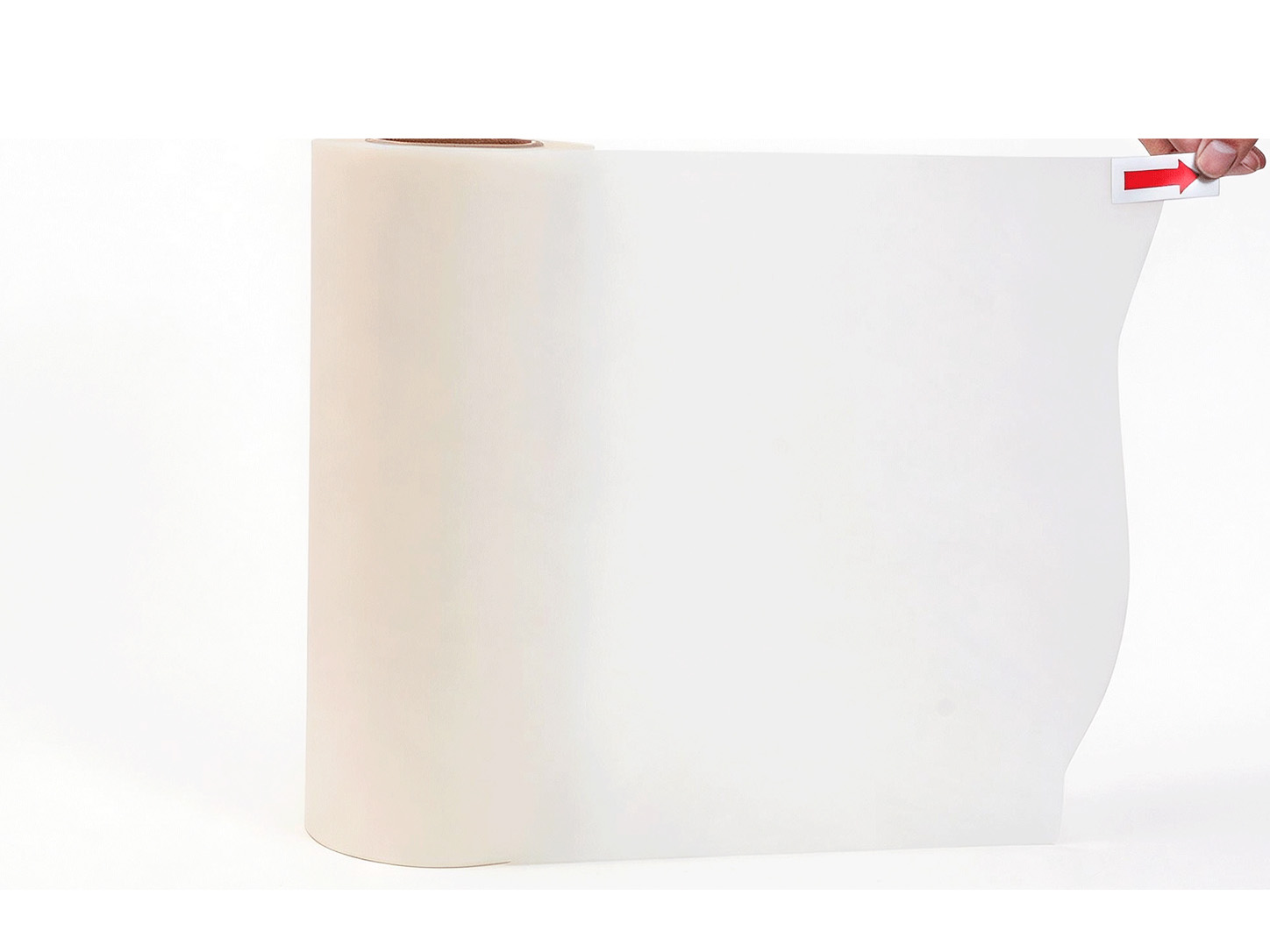
Durability also matters. Heat printers face rigorous use, and a reliable machine should require minimal maintenance. Choosing a printer with robust build quality can save costs in the long run. Cost of ownership must be evaluated, inclusive of routine supplies like Heat Press Film. A well-selected printer balances initial cost with long-term performance, ensuring your business remains competitive in a fast-evolving market.
Leading Brands in Heat Printing Technology for 2026
In the ever-evolving world of heat printing technology, choosing the right equipment is vital. As businesses strive for efficiency, leading brands have emerged, reflecting diverse needs. According to a recent industry report, the heat printing market will grow by approximately 5.6% annually through 2026. This growth highlights the increasing demand for high-quality printing solutions.
When investing in heat printers, consider the material compatibility. Different printers serve specific fabrics. For instance, printing on polyester requires unique inks and settings compared to cotton. Failing to match your Heat Print Shirt with the right printer may lead to subpar results. A comprehensive understanding of material properties can drastically enhance print longevity.
Another crucial factor is user-friendliness. Some advanced models may overwhelm novices. A steep learning curve can delay production and affect creativity. Instead, opting for machines that offer guided tutorials or intuitive interfaces can ease the transition into the heat printing world. Engaging with user communities can also provide insights and tips for optimizing your workflow.
Monitoring industry trends is essential. Consumer preferences shift rapidly, impacting which styles and prints become popular. Staying informed allows businesses to adapt their offerings accordingly. Building connections with suppliers and attending industry events can provide valuable insights that inform better purchasing decisions.
Comparative Analysis of Heat Printer Prices and Performance
As businesses evaluate their printing needs in 2026, understanding heat printer prices and performance becomes essential. Numerous brands compete in this market, offering varied features and price ranges. A reliable analysis can guide informed decisions, especially for small to medium-sized enterprises.
When assessing price, it’s important to consider overall value. Certain printers are cost-effective but may compromise on speed or print quality. Features such as print resolution and durability are critical, yet they often come with a higher price tag. A mid-range printer might not deliver the same performance levels as its high-end counterparts. Some businesses have reported issues with color consistency when using lower-priced options.
Performance metrics can also vary significantly among models. Heat printers should ideally provide quick print speeds without sacrificing quality. However, user feedback often highlights challenges with setup and connectivity. Many users find that instructions are inadequate, leading to potential frustration. Enhancing your understanding of specific models can pave the way for better choices, but it requires thorough research and consideration of your unique business needs.
Sustainability and Energy Efficiency in Heat Printing Solutions
Heat printing technology is evolving towards sustainability and energy efficiency. In 2026, businesses will increasingly prioritize solutions that minimize environmental impact. Recent industry reports indicate that energy-efficient heat printers can reduce power consumption by up to 40%. This reduction not only cuts costs but also aligns with global sustainability initiatives. The shift towards eco-friendly materials in Heat Set Printing enhances the appeal for conscious consumers.
For brands, embracing sustainable practices can bolster reputation and drive customer loyalty. Incorporating biodegradable inks in heat set printing processes is one viable approach. Additionally, using printers with energy-saving features helps reduce the carbon footprint. However, businesses often underestimate the long-term cost benefits of investing in such technology. The initial expense can be high, but energy savings can lead to substantial returns.
When selecting heat set printing solutions, consider materials that are sourced responsibly. Look for certifications that demonstrate a commitment to sustainability. This choice will not only benefit the planet but can also resonate well with your target audience. An initial investment in energy-efficient heat printing equipment may seem daunting, but it sets a precedent for a greener future.
Market Trends Impacting Heat Printer Development
As we look toward the year 2026, heat printer technology continues to evolve. Market trends indicate a rising demand for faster, more efficient printing solutions. Businesses increasingly prioritize cost-effectiveness and sustainability. This shift is shaping how manufacturers develop heat printers. A focus on energy-saving features is crucial. Companies wish to reduce their carbon footprint.
New materials are also influencing the heat printer market. Advanced, eco-friendly substrates are becoming more common. These materials not only improve print quality but also appeal to environmentally conscious consumers. Innovations in ink technology enhance durability and offer vibrant colors. Businesses must remain aware of these advancements. Selecting the right technology can lead to significant cost savings.
Tips for choosing the right heat printer include evaluating your specific printing needs. Consider the volume and type of materials you will print. Research the longevity of the printer and its parts. This can save you from potential headaches later. Keep an eye on emerging technologies that could shift market dynamics in the coming years. Innovators are working to bring smarter, customizable solutions to businesses. Balancing cost, efficiency, and technology is essential for a successful choice.
Future Innovations in Heat Printing Technology for Businesses
The future of heat printing technology is bright and dynamic. Businesses can expect innovations that enhance efficiency and quality. Advanced materials will become available, providing better adhesion and durability. These advancements will not only improve the user experience but also meet diverse business needs.
Embracing automation is crucial. Automated heat printers will reduce labor costs and increase production rates. They can efficiently handle various designs with minimal human intervention. This can lead to sustainable practices, as they often save energy and materials. Consider investing in equipment that offers both speed and quality.
Staying updated with trends is important. Regularly attending industry trade shows can help businesses discover cutting-edge technologies. Networking with other professionals will provide insights into successful strategies. Engaging in continuous learning is essential for maintaining a competitive edge. Explore innovative partnerships for collaborative projects.
Top Heat Printers for Your Business Needs in 2026
FAQS
: UV DTF printers are versatile devices capable of printing on various materials, offering efficiency in production lines.
Users report a 30% reduction in printing time compared to traditional methods, promoting faster operations.
Businesses increasingly focus on eco-friendly practices, like using biodegradable inks and energy-efficient printers.
Yes, these printers can lower power consumption by up to 40%, which may lead to significant long-term savings.
Integrating new printers can involve a steep learning curve, possibly slowing down production initially.
Consider printing needs, desired materials, and the longevity of the printer to avoid future complications.
Businesses strive for cost-effectiveness and efficiency, driving innovations in heat printer technology.
Not all. Selecting printers that meet sustainability standards is crucial for eco-conscious consumers.
They must weigh potential benefits against integration challenges and current operational practices.
Embracing sustainable materials and processes can enhance brand image and foster customer loyalty.
Conclusion
As businesses continue to evolve in 2026, the demand for efficient and versatile heat printers is on the rise. This article explores the top heat printers suitable for various business applications, emphasizing essential features like print quality, speed, and compatibility with different materials. Analyzing current market trends, we observe a shift towards sustainability and energy efficiency, prompting manufacturers to innovate and enhance their offerings.
A comparative analysis of heat printer prices and performance helps businesses make informed decisions tailored to their specific needs. Looking ahead, future innovations in heat printing technology promise to transform operational capabilities, ensuring that companies remain competitive in an ever-changing market landscape. Understanding these dynamics is crucial for businesses aiming to leverage heat printing solutions effectively.
 DTF FILM TEXTILE
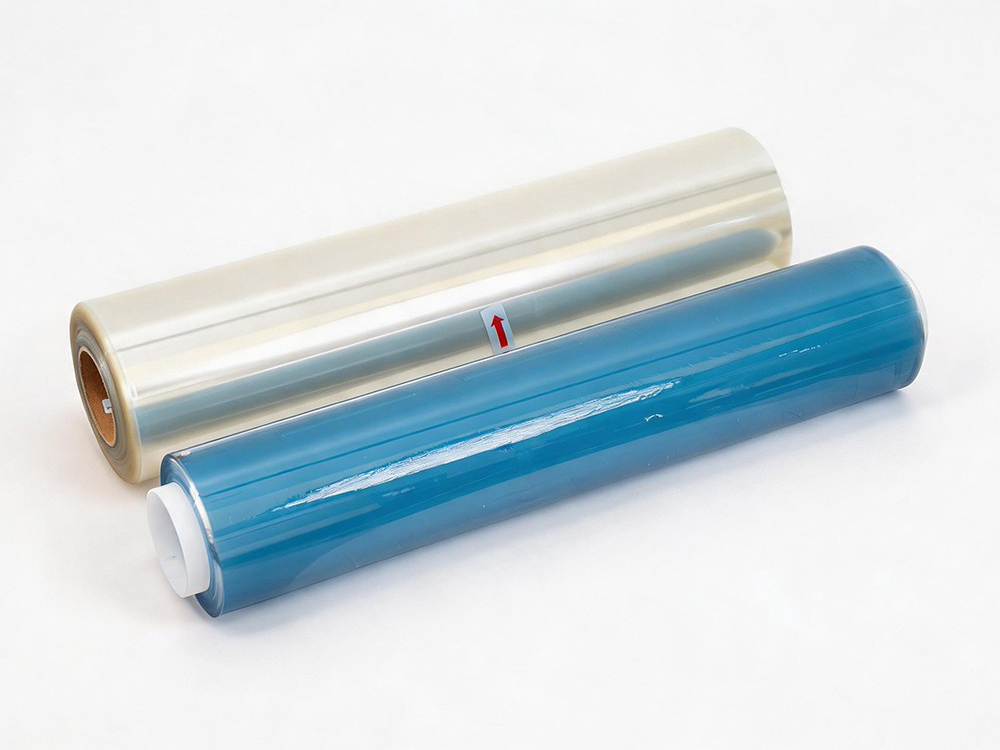 UV DTF FILM
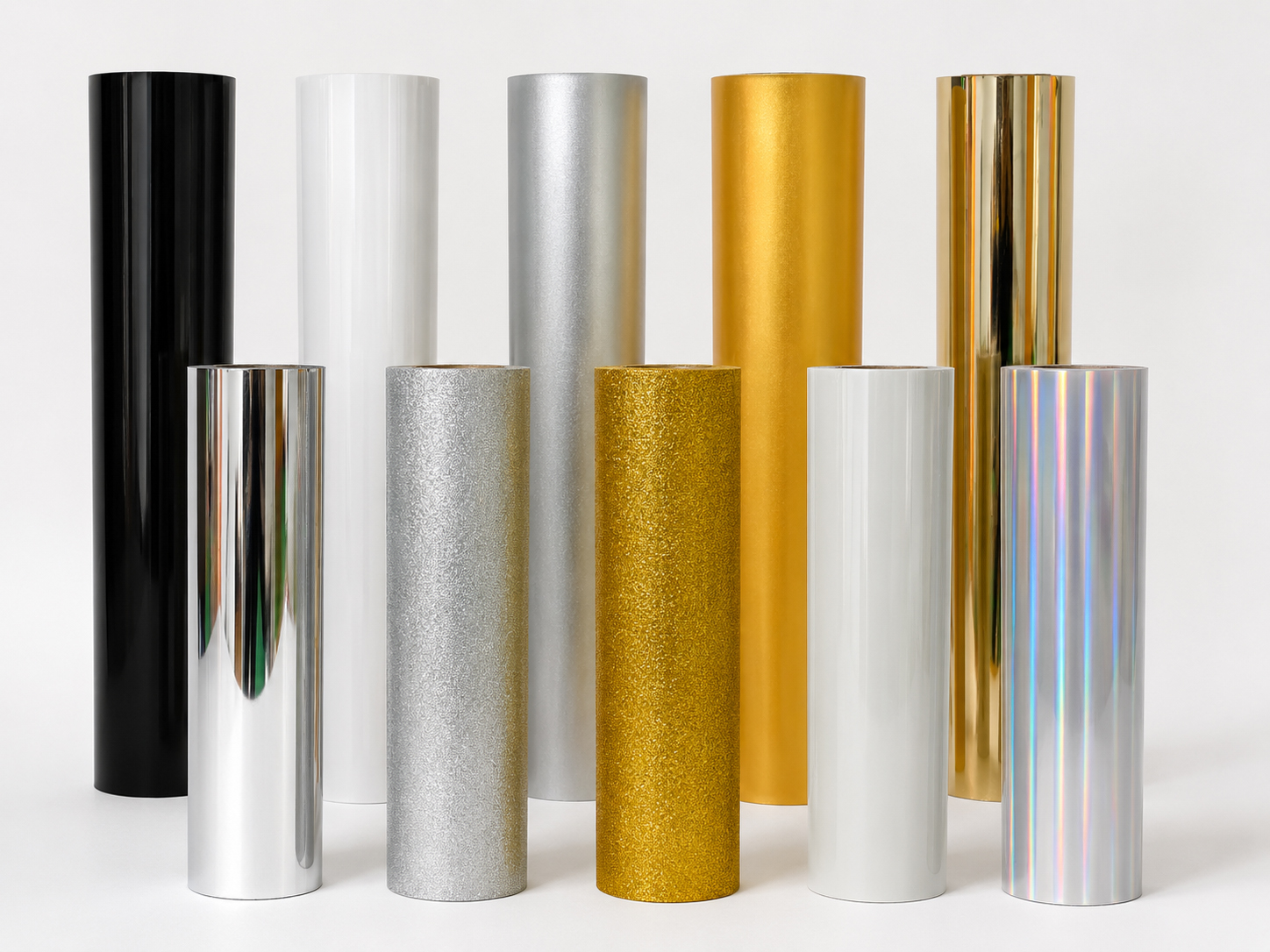 TPU UV DTF FILM
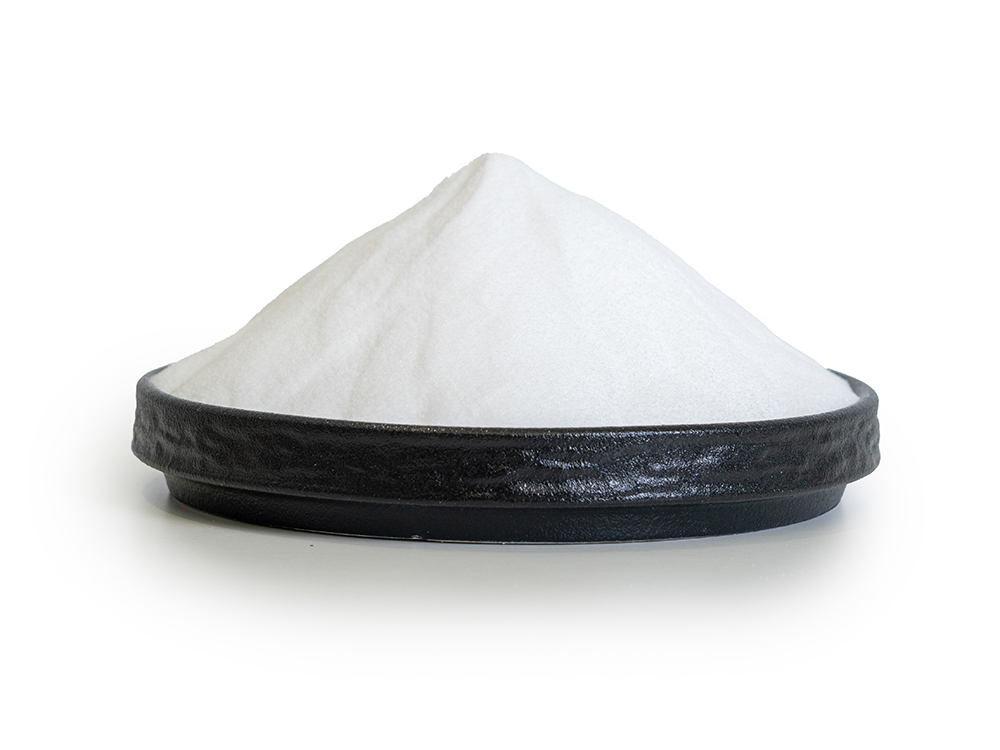 TPU DTF POWDER
 Application
 Resources